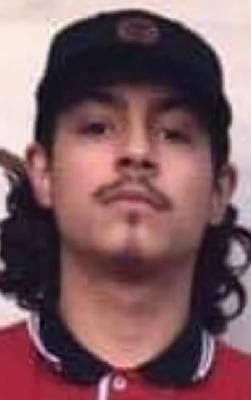
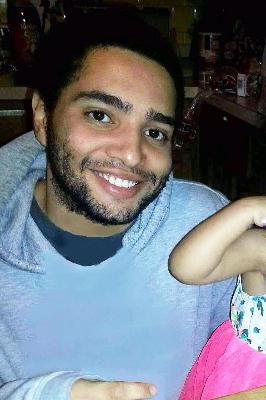
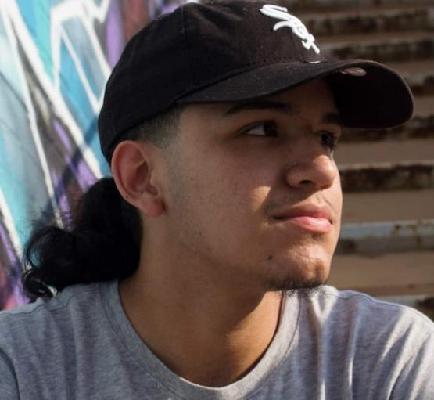
Brandon Delgado, an 18-year-old male, was tragically shot and killed on April 17, 2019, in a Logan Square apartment on the Northwest Side of Chicago. The incident occurred around 10:43 p.m. when several males entered the second-floor apartment in the 2200 block of North Avers Street and opened fire. Delgado, who lived in Belmont Cragin, was pronounced dead at the scene with multiple gunshot wounds to his body.
The shooters fled the scene in a gray sedan.
The investigation into Brandon Delgado's death revealed that the ex-boyfriend of a woman present at the scene, a reputed gang member known as "Genocide," was positively identified by witnesses as the offender. Despite this identification, prosecutors declined to press charges, citing the defendant's claim of self-defense. Delgado's mother, Annette Delgado, has consistently rejected this theory, asserting that the attackers intended to harm her son without knowing him. Witnesses claimed that Brandon Delgado shot back after being wounded, but no charges were filed, and the case was marked as "closed – cleared exceptionally" by the police.
The lack of prosecution in Brandon Delgado's case is part of a broader trend in Chicago, where numerous homicide cases are closed without charges being filed. In 2019, the homicide clearance rate in Chicago was 48 percent, but this included many cases where no one was charged. The "closed – cleared exceptionally" designation is used when police believe they have identified the offender, but prosecutors choose not to bring charges. This practice is not unique to Chicago and is also used by other law enforcement agencies, including the FBI.
Brandon Delgado's death remains a painful and unresolved chapter for his family, who continue to seek justice for their son. The case highlights the challenges faced by law enforcement and prosecutors in securing convictions and the impact of these decisions on the victims' families.