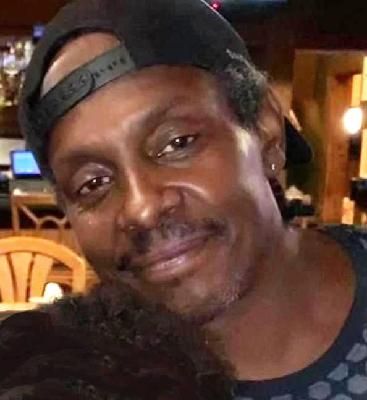
In the brisk autumn of 2007, the city of Baltimore was grappling with a persistent wave of violence that would claim another life and leave a family heartbroken. On the evening of Monday, November 12, tragedy struck at the intersection of North Carey and Baker Streets. It was there that John Henry Morris, a 42-year-old African-American man, became a victim of the city's unforgiving streets.
The specific circumstances that led to the fatal encounter remain shrouded in mystery, a common
narrative in a city with a staggering number of unsolved homicides. What is known is that Morris was subjected to a violent attack, suffering multiple gunshot wounds. The incident was stark and brutal, a reflection of the crime that plagued many of Baltimore's neighborhoods at the time. Despite the efforts of law enforcement, the case of John Henry Morris's death grew cold, hampered by a lack of forthcoming witnesses and credible leads that could illuminate the path to his killer.
In the years that have passed, the investigation into the murder of John Henry Morris has remained open but inactive, one of many cold cases that serve as a painful reminder of lives lost and justice yet to be served. For the family and friends of Morris, the absence of answers has prolonged their grief, leaving them to navigate a world without their loved one and without the closure that a resolution in the case might bring. The identity of the suspect or suspects responsible for his untimely death remains unknown, and no arrests have ever been made in connection with the homicide. The story of John Henry Morris is a somber testament to the enduring challenge of urban violence and the profound and lasting impact it has on communities and the families left to mourn in its wake.