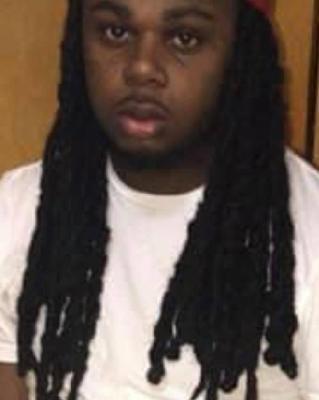
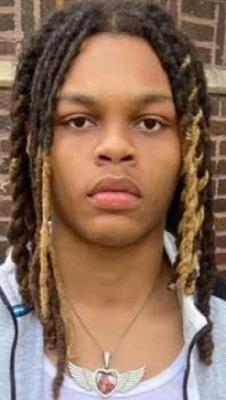
Narmere Shakur Young was a 23-year-old African American man from Chicago whose life unfolded in the South Side neighborhoods where family ties ran deep and the rhythms of the city were familiar. Born on October 31, 1996, he grew up as the second-oldest son of Darnell Young and the only son of his mother, Monique Hunt, part of a large extended family that included brothers, a grandmother who helped anchor the household, aunts, uncles, cousins and, in time, a son of his own, Chase.
The picture preserved in memorial notices is of someone described as intelligent and loved, a young father whose presence at family gatherings and in everyday life mattered to many people who would later crowd online guest books with messages of grief and remembrance.
On the afternoon of October 4, 2020, that ordinary life intersected with sudden violence on the 5800 block of South Ashland Avenue in the Englewood area on Chicago's South Side. Around 3:05 p.m., according to police accounts reported in local news, a car traveling along Ashland became part of an exchange of gunfire with two people on the street. Shots tore through the vehicle and the intersection, sending neighbors ducking for cover and drawing first responders into yet another emergency run in a part of the city long marked by gunfire and trauma. In the chaos, three people were struck: the driver of the car suffered grievous wounds to the head and throat, while the two others—both on foot—were hit in the leg and arm.
Emergency crews rushed the wounded to the University of Chicago Medical Center, the regional hospital that so often receives victims from South Side shootings. The driver, later identified by the Cook County medical examiner as Narmere Shakur Young of West Englewood, was listed in critical condition, his survival uncertain from the outset. The others, younger men with injuries to their limbs, were treated and stabilized, but for Narmere the damage from multiple gunshot wounds was far more devastating. Over the next several days his family and friends were left to wait outside hospital doors and on the other end of late-night phone calls, hoping his condition might turn.
Ten days after the shooting, in mid-October 2020, those hopes gave way to mourning. Hospital records and the medical examiner's report noted that he died at the University of Chicago Medical Center of complications from multiple gunshot wounds, the injuries from that Sunday afternoon proving fatal despite intensive care. Obituaries fixed the date of his death as October 15, 2020, closing the brief span between the moment the bullets flew on Ashland and the moment his family had to accept the finality of their loss. Memorial pages describe how he left behind his young son, his parents, three brothers, and a wide circle of relatives—grandmothers, aunts, uncles, cousins—as well as a girlfriend, all of them suddenly confronted with an empty place at birthdays, holidays, and quiet everyday moments that would now always come with an absence.
The setting of his final days, Englewood and West Englewood, is a part of Chicago repeatedly described in city reports and community profiles as bearing the weight of decades of disinvestment—vacant lots where businesses once stood, limited job opportunities, and a long history of violence that has made it a focus of anti-violence and community-investment efforts. Narmere's shooting fit into a familiar pattern for the neighborhood, one more entry in lists of incidents that residents and officials have struggled for years to stem. Local news coverage of the October 4 shootout noted that Area One detectives were investigating, but the reports did not identify anyone as responsible, nor did they describe any arrests or charges tied directly to the gunfire that led to his death. In the public record that remains, his name appears not in court dockets or case updates but on obituaries, memorial pages, and databases of gun violence victims, a reminder of a life cut short and a family left to carry on without him in a community still wrestling with the conditions that made such a loss possible.