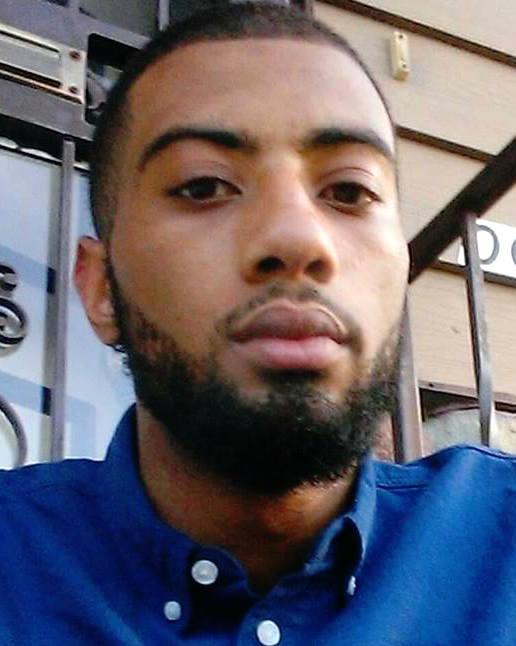
Nineteen-year-old Brandon Jamal Hollis, an African American male, was tragically murdered on April 1, 1999, in Henry County, Georgia. His death was set in motion under the guise of a casual outing for target practice with three other men: Mustafa Askia Raheem, Michael Jenkins, and Dione Feltus. Raheem, the driver, had ulterior motives, having earlier test-fired his. 380 caliber handgun to ensure its functionality.
The group made a stop to purchase black plastic trash bags before Raheem contacted Brandon by payphone to arrange the meeting.
After picking up Brandon, Raheem drove to a secluded, wooded area. There, he fired a shot from the handgun at a tree. When Brandon remarked on the loudness of the gun, Raheem took the weapon from Jenkins and began walking back towards the car. In a sudden and brutal act, Raheem shot Brandon in the back of the head. As Brandon fell to the ground, Raheem callously stole his watch, keys, and wallet, remarking, 'I guess you ain't going to be needing this watch no more.' Jenkins, who was present, inquired if Brandon was dead, to which Raheem replied, 'No, but he is on his way out.'
The violence did not end with Brandon's death. Raheem then drove to the home of Brandon's mother, Miriam Diane Hollis. Using the keys he had just stolen from her son, he and Jenkins entered her home. After a missed first shot, Raheem ordered Ms. Hollis to her hands and knees and fatally shot her in the head. He then placed a trash bag over her head and put her body in the trunk of her own Lexus.
The investigation into the double homicide led to the arrest of Mustafa Askia Raheem. He was indicted on May 6, 1999, and subsequently charged with two counts of malice murder, four counts of felony murder, two counts of armed robbery, and one count of burglary. During the trial, which began on February 5, 2001, testimony from Michael Jenkins and others provided a detailed account of the brutal crimes. On February 15, 2001, the jury found Raheem guilty on all counts. For the murder of Brandon Hollis, Raheem was sentenced to life in prison without the possibility of parole. For the murder of Miriam Hollis, he received the death penalty. He also received consecutive life sentences for the armed robbery charges and a 20-year prison sentence for burglary. Raheem's subsequent appeals, which claimed ineffective assistance of counsel and procedural violations, were denied, with the courts upholding the original convictions and sentences.