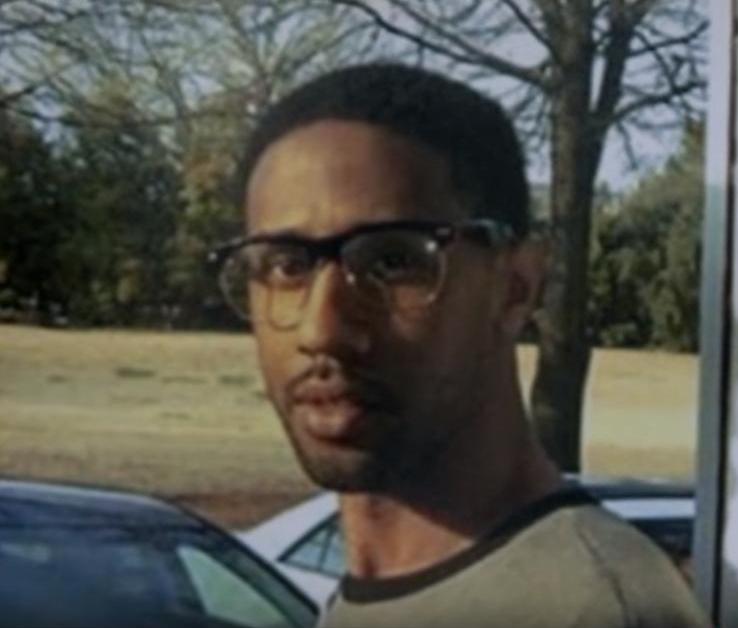
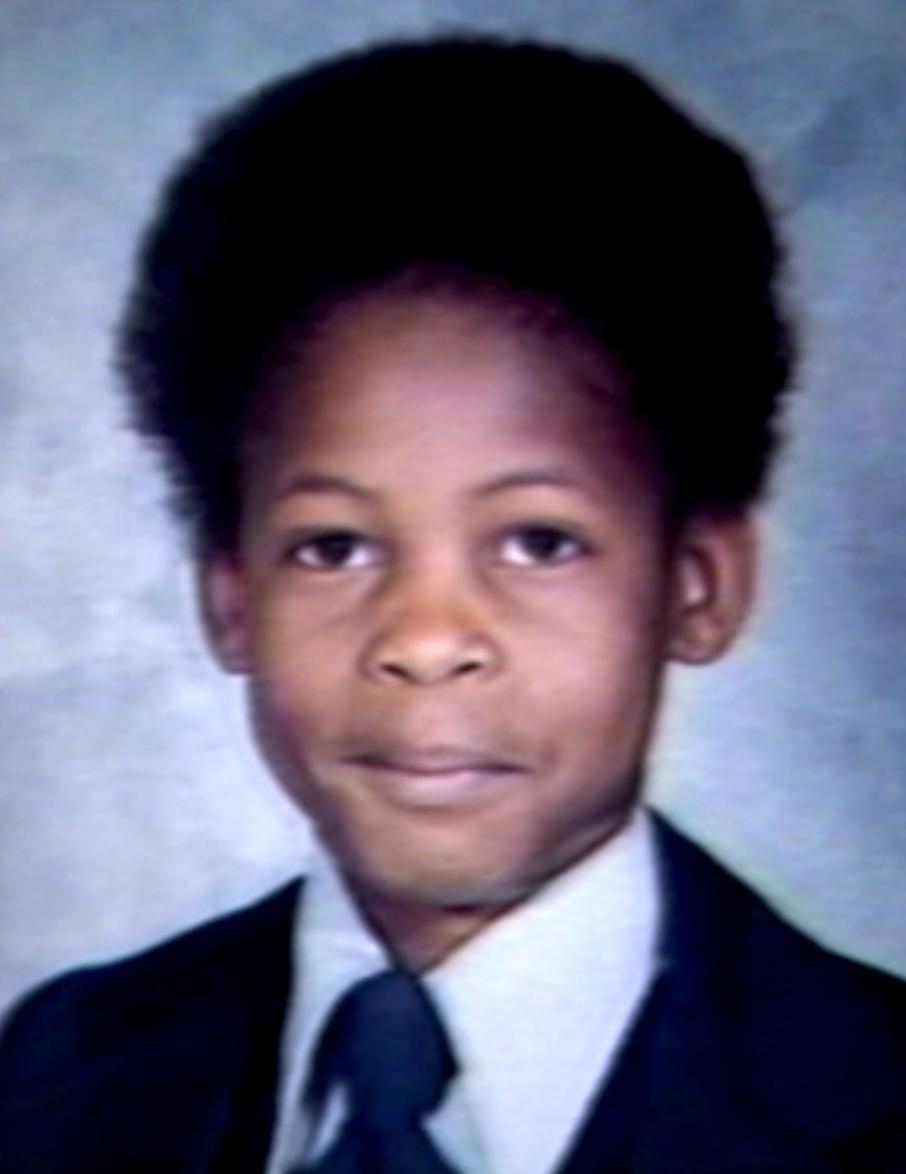
Zechariah Tyrell Guyton, a 19-year-old Black male from Atlanta, Georgia, was killed on May 22, 2021, in a burst of gunfire that shattered what should have been one of the happiest weeks of his life. He was a graduating senior at Life Christian Academy, and according to local reporting, he had been looking ahead to commencement and even to college opportunities.
Instead, in the early hours of that Sunday, his life ended outside a house party on Lanvale Drive in southwest Atlanta, just days before he was supposed to walk across the stage and receive his diploma.
The picture that emerged from news coverage was painfully ordinary at first. Zechariah had gone to a party, and when the night was ending, he was leaving. His family said he was outside, waiting for a ride home, when someone opened fire on the porch area. Another person was hit and survived, but Zechariah did not. In an instant, the excitement of graduation week turned into mourning. His family spoke publicly about the shock of it all, describing a young man who loved his family, football, and technology, and who had worked through rough patches in life with a determination to finish high school. The cruel timing haunted those who loved him most: the day that should have been his graduation became the day they buried him, and he was laid to rest wearing his cap and gown.
What makes the case feel especially heavy is how much of Zechariah’s story was about momentum, about a future that had finally come into view. His coach and school community described him as a young man on the verge of something better, someone who had pushed through adversity and was preparing for the next chapter. That sense of promise is what lingers in the reporting. He was not remembered only as a victim at a crime scene, but as a teenager with plans, family pride, and a milestone so close he could almost touch it.
As for the investigation, early reports said Atlanta police were searching for the shooter and, at that time, had made no arrests. Later public reporting indicated that a suspect had been arrested in Zechariah’s murder, but the accounts reviewed did not identify that person by name or lay out the charges, trial proceedings, or any conviction. Based on the public information available in those reports, there was evidence that the case had moved beyond the stage of having no suspect at all, but the later legal outcome was not clearly detailed. That leaves the case suspended in the public record between grief and accountability: a young man killed on the edge of adulthood, a family still carrying the loss, and only limited publicly reported information about who was ultimately held responsible.