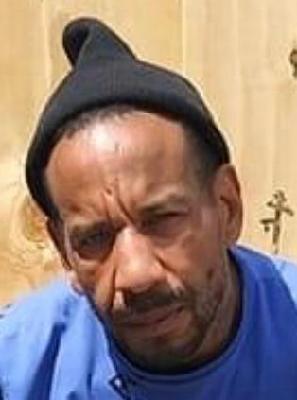
On Halloween night in 2012, tragedy struck in the quiet 6000 block of Marjorie Lane in Baltimore, Maryland. Dewey Anthony Hampton, a 47-year-old African-American male, was found deceased within the confines of his own home. The discovery sent a chill through the neighborhood, a stark contrast to the festive spirit of the evening.
Investigators arriving at the scene quickly determined that Mr. Hampton's death was not of natural causes. The evidence pointed to a homicide, a violent end to a life that had reached its 47th year. The prevailing theory that emerged from the initial investigation was that of an in-home robbery that had taken a fatal turn. It appeared that what began as a crime of opportunity escalated into the ultimate act of violence, leaving a community in mourning and a family devastated.
In the days and weeks that followed, detectives worked to piece together the events that led to Dewey Anthony Hampton's untimely death. They explored potential motives and sought to identify any individuals who may have had reason to harm him. Despite their efforts, the investigation failed to yield any immediate suspects. The case, like many others in the city that year, grew cold, a painful and unresolved chapter in the annals of Baltimore crime. The search for those responsible for the death of Dewey Anthony Hampton continued, but as time passed, the trail grew fainter, leaving his loved ones with unanswered questions and a longing for justice that remained unfulfilled. To this day, the case officially remains an open and unresolved homicide, a somber reminder of a life cut short and a crime that has yet to be answered for.