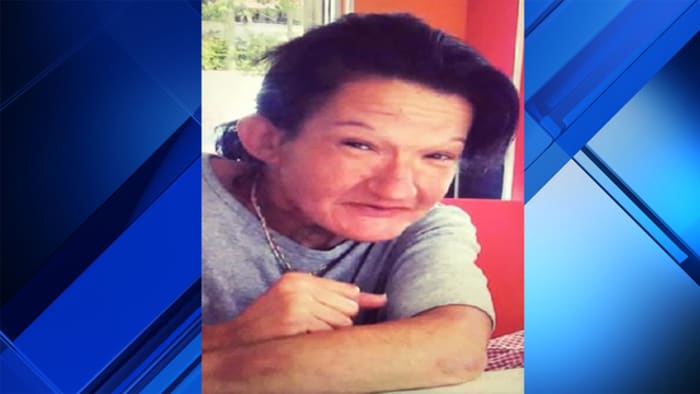
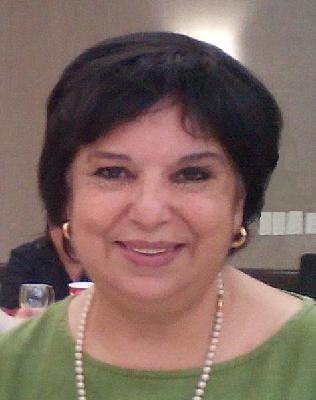
Ernestine Moore, a 67-year-old African American woman, tragically lost her life on August 20, 1982, in Miami, Florida. Ernestine was a machine shop owner and was well-known in her community. On that fateful day, she became one of the victims in a mass shooting incident that shocked the Miami area. The perpetrator, Carl Robert Brown, a disgruntled former teacher, went on a shooting spree at a welding shop, killing eight people, including Ernestine Moore, and injuring three others.
Brown's rampage was reportedly motivated by a personal vendetta against the shop's owners and employees.
The investigation into Ernestine Moore's death revealed that Carl Robert Brown had a history of mental health issues and had been relieved of his teaching duties earlier that year to address his psychiatric problems. Despite his troubled past, Brown managed to acquire a shotgun, which he used to carry out the attack. The incident occurred in broad daylight, and Brown was eventually shot and killed by two witnesses who pursued him as he attempted to flee the scene on a bicycle.
In the aftermath of the shooting, there were no arrests or litigations directly related to Ernestine Moore's death, as the perpetrator was killed at the scene. However, the incident prompted discussions about gun control and mental health care, highlighting the need for better measures to prevent such tragedies. The community mourned the loss of Ernestine Moore and the other victims, and their deaths served as a somber reminder of the devastating impact of gun violence.
Ernestine Moore's family and friends remembered her as a hardworking and kind individual who was dedicated to her business and her community. Her untimely death left a void in the lives of those who knew her, and her memory continues to be honored by those who were touched by her life. The tragic events of August 20, 1982, remain a poignant chapter in Miami's history, underscoring the importance of addressing the root causes of violence and ensuring the safety and well-being of all citizens.