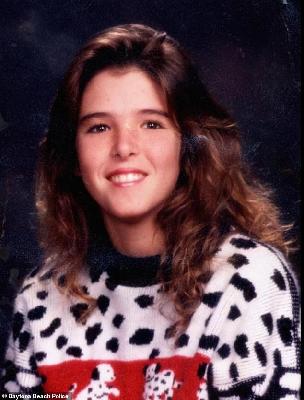
Laquetta Mae Gunther, a 45-year-old woman, was found dead on December 26, 2005, in Daytona Beach, Florida. Gunther, who was of African American descent, was discovered in a narrow alley between two buildings on North Beach Street. She had been shot in the back of the head with a Smith & Wesson pistol and was found partially clothed, lying in a fetal position. The medical examiner determined that Gunther was murdered on Christmas Eve, December 24, 2005.
At the time of her death, Gunther was living on Madison Avenue in Daytona Beach and was known to be a sex worker with a history of drug abuse. She had moved to Daytona Beach from North Carolina in 1985 and worked as a house painter and former cook.
The investigation into Gunther's death remained unsolved for nearly 14 years. In 2019, investigators used genetic genealogy to identify Robert Tyrone Hayes as her killer. Hayes, who was 39 years old at the time of his conviction, was linked to the murders of Gunther and two other women, Julie Green and Iwana Patton, through DNA evidence. Hayes was a student at Bethune-Cookman University in Daytona Beach, studying criminal justice and performing as a cheerleader at the time of the murders. He was arrested after investigators matched DNA from a cigarette he discarded to the DNA found at the crime scenes.
Hayes was convicted of first-degree murder for killing Laquetta Gunther, Julie Green, and Iwana Patton in a spree of separate incidents between December 2005 and February 2006. All three women were sex workers, and Hayes targeted them because they were vulnerable and would willingly join him in desolate locations. The prosecution emphasized the similarities between the murders: each woman was found naked, without identification, and there were no signs of struggle, indicating premeditation. Hayes was sentenced to three consecutive life sentences without the possibility of parole.
The case of Laquetta Mae Gunther's murder highlights the use of advanced forensic techniques, such as genetic genealogy, in solving cold cases. It also underscores the dangers faced by vulnerable populations, such as sex workers, and the importance of continued efforts to bring justice to victims and their families. Gunther's death, along with the deaths of Julie Green and Iwana Patton, brought significant attention to the issue of violence against women in the Daytona Beach area and the need for improved safety measures and support for at-risk individuals.