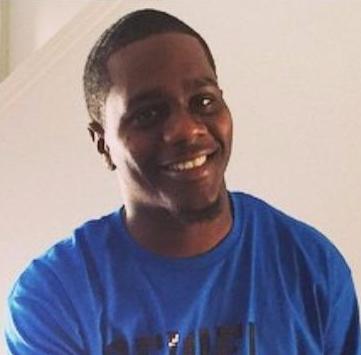
Akime Casey, a 23-year-old resident of Tampa, Florida, tragically lost his life on June 9, 2014. The incident occurred during a social gathering at an apartment on Sims Inlet Road in Tampa. According to reports, an argument broke out between Casey and Nathaniel R. O'Neal, a 19-year-old man, over a woman who was present at the gathering. The confrontation escalated when Casey allegedly made a comment about O'Neal's relationship with the woman, which O'Neal found disrespectful.
Witnesses stated that Casey grabbed a closed pocket knife and put it in his pocket before walking outside. Shortly after, O'Neal followed him outside with a firearm. Moments later, gunshots were heard, and Casey was found dead in the courtyard of the apartment complex. O'Neal was subsequently arrested and charged with first-degree murder with a firearm.
The legal proceedings following Casey's death were extensive. Nathaniel O'Neal was convicted of first-degree murder and sentenced to life in prison. During the trial, the prosecution argued that the motive for the murder was O'Neal's anger over Casey's perceived disrespect. The defense, however, claimed that the evidence was insufficient and that key witnesses had provided contradictory statements. Despite these arguments, the jury found O'Neal guilty, and he was sentenced to life without the possibility of parole.
In the years following his conviction, O'Neal and his legal team have made several attempts to secure a new trial. They argued that the initial trial was flawed due to false testimony and mishandling of evidence. One of the key points raised was that a crucial witness had been allowed to testify despite being found mentally incompetent just days before the trial. O'Neal's attorney also claimed that the gun used in the shooting was found hours later by someone else and could not be definitively linked to O'Neal. Despite these efforts, the requests for a new trial have been denied, and O'Neal remains in prison.
The case of Akime Casey's death highlights the complexities and challenges of the legal system, particularly in cases involving conflicting testimonies and evidence. It also underscores the tragic consequences of violence and the lasting impact it has on the families and communities involved.