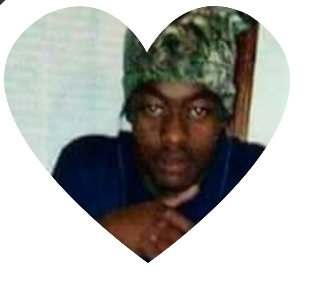
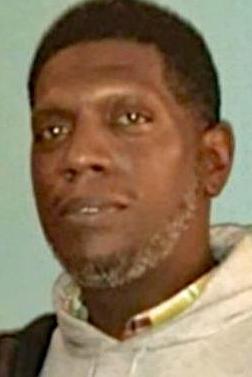
Thomas Trent, a 54-year-old homeless man, was tragically killed in Jacksonville, Florida, on June 28, 2014. The incident occurred in the early morning hours near an abandoned restaurant on the Westside of Jacksonville. Trent was found shot in the head, and the initial investigation did not immediately suspect foul play. However, further investigation revealed surveillance footage from nearby businesses, which played a crucial role in identifying the suspects involved in his death.
The
investigation led to the arrest of Sharron Sherman Townsend, who was only 12 years old at the time of the crime. Townsend was identified as the shooter through surveillance video that captured him and another boy, aged 16, near the scene of the crime. The footage showed the boys walking casually and later running through an alley with their faces covered. Witnesses, including another homeless man known as Wolverine, reported that Trent had ongoing conflicts with the boys, who had been harassing him for months. These altercations included the boys throwing objects at Trent, urinating on him, and pouring drinks on him, which eventually escalated to the fatal shooting.
Townsend was charged with second-degree murder and, in 2017, was sentenced to 30 years in prison. During the sentencing, the court considered Townsend's young age and the difficult circumstances of his upbringing, including exposure to violence and instability. Despite these factors, the seriousness of the crime and the impact on Trent's family were significant considerations in determining the sentence. Townsend's sentence will be reviewed after he serves 15 years, and he will also be subject to 10 years of probation and required to undergo psychiatric evaluation.
The case of Thomas Trent's murder highlights the tragic consequences of youth violence and the complexities involved in sentencing juvenile offenders. It also underscores the importance of addressing the underlying social issues that contribute to such crimes, including homelessness and the lack of support for at-risk youth.