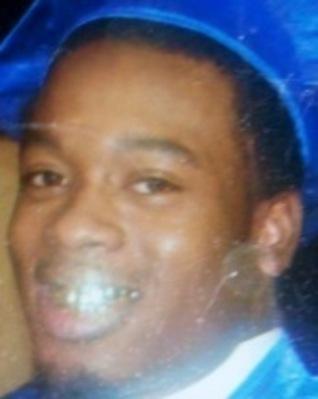
Tavish Terrell Greene, a 24-year-old African American male from Panama City, FL, was found dead on July 24, 2014. His body was discovered in the trunk of his car, badly decomposed after being left for several days. Greene's death was the result of a fatal robbery that escalated into murder. He was lured to the residence of his ex-girlfriend, Tyricka Woullard, by two other conspirators, Darryl Mack and Dontavis Terrell Thomas. The trio had planned to rob Greene of money and illegal narcotics.
On the morning of July 19, 2014, Greene was drawn into a trap through phone calls and text messages orchestrated by Woullard. Once he arrived at the location, he was ambushed and subsequently murdered. His body was then concealed in the trunk of his 2004 Chevy Malibu, which was later found abandoned. Greene had been a witness to a nightclub argument in June that ended in the shooting death of his cousin, Jshun Smith, and had allegedly received death threats prior to his own murder. However, investigators did not link his death to the earlier incident.
The legal proceedings following Greene's death saw multiple arrests and convictions. Tyricka Woullard, 20, pleaded no contest to accessory after the fact to manslaughter with a firearm and principal to robbery. She accepted a plea agreement and was sentenced to 10 years in prison. Darryl Mack, 21, faced a reduced charge from second-degree murder to manslaughter and received a 20-year prison sentence. Dontavis Terrell Thomas, 22, was sentenced to five years probation for being an accessory after the murder and agreed to testify against Woullard and Mack.
The case highlighted the tragic consequences of violence and the impact on the victim's family, who expressed dissatisfaction with the sentences handed down to the perpetrators. Greene's mother believed that Woullard played a more significant role in the murder than the evidence could substantiate, reflecting the ongoing pain and frustration experienced by those left behind.