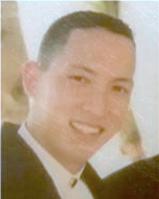
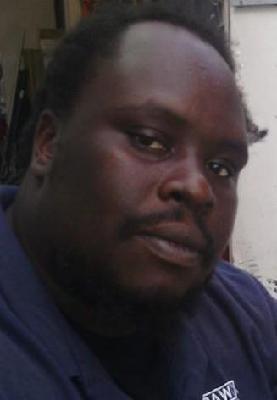
Scott Franklin, a 41-year-old man from St. Petersburg, Florida, tragically lost his life on April 30, 2016. Franklin, who was described as a friendly and small-statured individual, was driving home from his job at El Gallo Grande when he encountered a group of men in two cars. The incident, which occurred shortly after midnight, escalated into a road rage confrontation.
According to police reports, Franklin aggressively approached one of the cars, leading Malcolm DiPina, a 22-year-old visitor from Sarasota, to discharge his firearm multiple times in fear. Franklin died at the scene from the gunshot wounds.
The investigation revealed that the altercation began when one of the vehicles allegedly cut off the other. As the situation intensified, Franklin exited his car and approached DiPina's vehicle. DiPina, fearing for his safety, fired three to five shots at Franklin. Following the shooting, DiPina and his group fled the scene but later turned himself in to the police. DiPina was initially charged with manslaughter and booked into the Pinellas County Jail. He was released on bail shortly after.
Franklin's death sparked a significant investigation by the St. Petersburg Police Department and the Pinellas County State Attorney's Office. Surveillance footage from the area was reviewed to understand the sequence of events better. Despite the initial manslaughter charge, the case took a turn when DiPina's defense invoked Florida's "Stand Your Ground" law, arguing that he acted in self-defense. This law allows individuals to use deadly force if they believe they are in imminent danger of death or great bodily harm. As a result, the manslaughter charge was eventually dropped, and DiPina was not prosecuted further.
Franklin's family and friends were left devastated by his sudden and violent death. They described him as a beloved father, son, and brother, who was known for his friendly nature and enthusiasm for life. The community mourned his loss and expressed frustration over the legal outcome, feeling that justice had not been served. The case highlighted the complexities and controversies surrounding the "Stand Your Ground" law and its application in real-life scenarios.