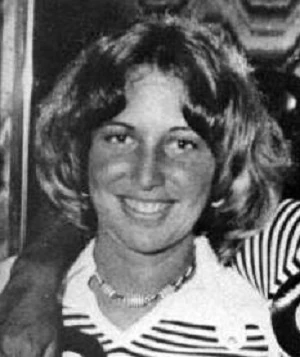
Mary Lee Gray, a 40-year-old woman from Tallahassee, FL, was tragically killed on January 8, 2017. Mary, who was working as a confidential informant for the Leon County Sheriff’s Office (LCSO), was fatally shot during a drug deal at a Holton Street apartment complex. On the night of her death, Mary was attempting to buy crack cocaine from Rickey Stevens, a known drug dealer.
An argument ensued during the transaction, and as Mary tried to drive away, she was shot by Stevens.
Following her death, Rickey Stevens, a 25-year-old man, was arrested and charged with manslaughter. During his trial, Stevens was also convicted of possession of a firearm by a convicted felon and sentenced to 52 years in prison. The jury deliberated for approximately three hours before reaching a verdict. Stevens received a mandatory 30-year sentence for the manslaughter charge, an additional 10 years for the firearm charge, and a 12-year sentence for violating probation on a previous burglary charge.
Mary Gray's family filed a negligence lawsuit against the LCSO, citing that her identity as a confidential informant had been compromised, leading to her death. The lawsuit, filed under Rachel's Law, argued that the LCSO failed to protect Mary and placed her in dangerous situations despite her known struggles with drug addiction and mental health issues. The lawsuit highlighted that the LCSO was aware of Mary's mental health problems as early as May 2015, when her mother requested a welfare check. Despite this, Mary continued to be used as an informant, which ultimately led to her tragic death.
The case of Mary Lee Gray underscores the complexities and dangers faced by confidential informants, particularly those with vulnerabilities such as addiction and mental health issues. The lawsuit brought by her family aims to hold the LCSO accountable for their alleged negligence and to ensure better protection for informants in the future.