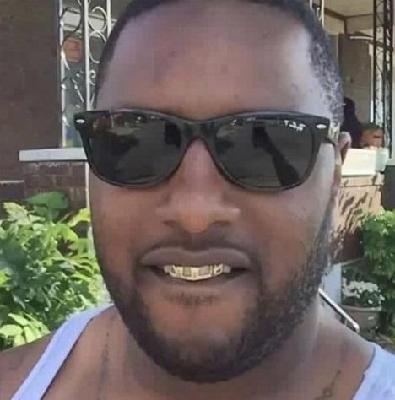
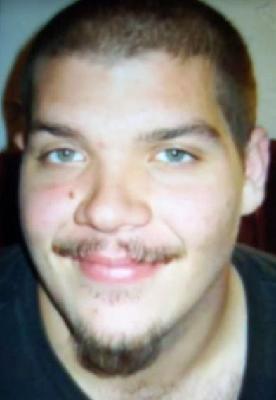
On the evening of July 5, 2015, a burst of gunfire shattered the summer calm on the 2000 block of Kennedy Avenue, a dense residential street in East Baltimore. When the chaos subsided, 26-year-old Edward Burroughs, a Black / African American man known to his friends as "Eddie," lay critically wounded, having been shot in the head. He was rushed to a nearby hospital but succumbed to his injuries a short time later, becoming another statistic in a city grappling with a surge of violence.
His death was the 148th homicide in Baltimore that year, part of a month that would become the city's deadliest in over four decades.
Described by those who knew him as resilient and outgoing, Burroughs was a father to a young child. His life was abruptly cut short in front of homes on a street he was likely familiar with. In the immediate aftermath, Baltimore Police launched a homicide investigation, but the initial search for answers proved difficult. Investigators did not immediately identify a motive for the shooting, nor did they have any suspects. The case, like many others in the city, was shrouded in uncertainty.
In the years that have passed since Edward Burroughs's murder, there has been a disheartening silence regarding any progress in the investigation. Publicly available information and news reports have not indicated that any arrests have been made or that any suspects have been identified. The circumstances surrounding his death remain an unsolved chapter in Baltimore's history of violent crime. For his family and friends, the pain of his loss is compounded by the absence of justice, as the question of who was responsible for his death remains unanswered. The investigation into the homicide of Edward Burroughs is still considered open, a cold case waiting for a break that might one day bring closure to his loved ones.