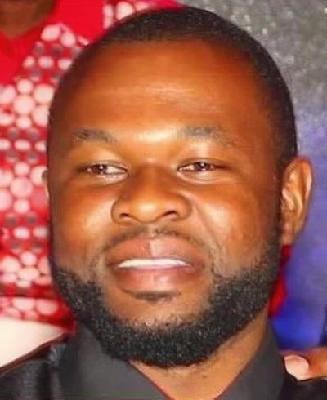
Aschielle Webster, a 40-year-old resident of Orlando, Florida, was found dead on July 10, 2018, in a vacant lot in the Parramore area of downtown Orlando. The discovery was made following an anonymous tip that led the Orlando Police Department to the scene. Webster's body was found with multiple gunshot wounds, indicating that he had been shot several times.
The location of the body, in an open area next to a highway, suggested that the shooting might have been witnessed by someone, although no immediate witnesses came forward at the time.
The investigation into Webster's death was handled by the Homicide units of the Orlando Police Department. Detectives worked closely with forensics teams and the medical examiner to determine the timeline of the shooting and how long Webster's body had been lying in the field. Despite the efforts of the police, the case presented significant challenges, particularly in establishing a clear timeline and identifying potential suspects.
In the days following the discovery, the Orlando Police Department made public appeals for information, urging anyone with knowledge about the incident to come forward. The community was encouraged to provide tips anonymously through CrimeLine, a service that allows individuals to share information without revealing their identity. This appeal was part of a broader effort to engage the community in solving the case and bringing the perpetrator to justice.
As of the latest available information, no arrests have been made in connection with Aschielle Webster's murder. The case remains open, with detectives continuing to seek leads and gather evidence. The lack of immediate suspects or clear motives has made the investigation particularly challenging. The police have reiterated their commitment to solving the case and have continued to ask for the community's assistance in providing any information that could lead to an arrest.
The tragic death of Aschielle Webster highlights the ongoing issues of violence in certain areas of Orlando and the difficulties law enforcement faces in solving such crimes. The community's response and cooperation are seen as crucial elements in the pursuit of justice for Webster and his family. The case remains a poignant reminder of the impact of violent crime on individuals and communities and the importance of collective efforts to address and prevent such incidents.