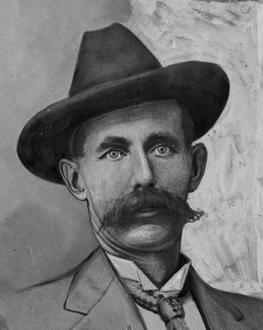
William J. Cassidy, a 65-year-old tinsmith from Altadena, California, met a tragic end on July 9, 1928. Cassidy was known for his involvement with the Los Angeles Police Department as an informer on liquor law violators in the Sonoratown area. His dedication to aiding law enforcement and his active membership in Aimee Semple McPherson's congregation made him a notable figure in his community. Cassidy's efforts to curb illegal activities, particularly those related to rum-running during the Prohibition era, ultimately led to his untimely death.
On the fateful day of his murder, Cassidy was "taken for a ride" by gangsters Mike Pupillo and Vito Ardito. This phrase, often used to describe a forced car ride leading to a victim's execution, was a common tactic among organized crime groups of the time. Cassidy's bullet-riddled body was discovered near the intersection of Fair Oaks and Alta Loma Drives in the hills of Altadena. The brutal nature of his murder was a stark reminder of the dangers faced by those who opposed the criminal underworld.
The investigation into Cassidy's murder revealed that his death was a direct result of his role as an informer. Pupillo and Ardito, both known gangsters, were charged with his murder. The case garnered significant attention, highlighting the violent reprisals faced by those who dared to challenge the illegal liquor trade. Cassidy's murder was not just a personal tragedy but also a reflection of the broader conflict between law enforcement and organized crime during the Prohibition era.
Legal proceedings against Pupillo and Ardito ensued, with both men facing charges for their involvement in Cassidy's death. The case was a notable example of the lengths to which criminal organizations would go to protect their interests and intimidate those who threatened their operations. Cassidy's murder underscored the perilous nature of being an informer and the severe consequences that could follow.
In summary, William J. Cassidy's death was a result of his courageous efforts to combat illegal activities in his community. His murder by gangsters Pupillo and Ardito was a grim testament to the violent realities of the Prohibition era and the risks faced by those who stood against organized crime. The subsequent legal actions against his killers highlighted the ongoing struggle between law enforcement and criminal enterprises during this tumultuous period in American history.