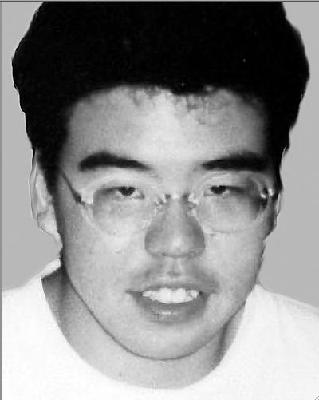
Leon Jack Palmer, also known as Jack Palmer, was a taxi driver from San Pedro, Los Angeles. On July 17, 1928, he was found dead in the front seat of his car by F. P. Robinson in the hills above San Pedro. The discovery was grim, with a bullet hole in the back of Palmer's head indicating he had been shot from behind. His $500 diamond ring, wallet, and watch were missing, suggesting a possible robbery. However, the circumstances surrounding his death pointed to a more complex motive. Palmer was suspected of being involved in hijacking operations in the Northwest, and it was believed that he was killed by rum-runners seeking revenge for his activities.
The investigation into Palmer's death led to the arrest of Pete Evich, who was considered a material witness in the case. A bullet sifted from the sand beside where Palmer was found played a crucial role in Evich's arrest. Despite the arrest, the case remained shrouded in mystery, with the police suspecting that Palmer's murder was a calculated act of vengeance by those involved in the illegal liquor trade during the Prohibition era. The law enforcement agencies continued to probe into Palmer's connections and activities, hoping to uncover more details about the individuals responsible for his murder.
The case of Leon Jack Palmer's murder highlighted the violent undercurrents of the Prohibition era in Los Angeles. The illegal liquor trade was rife with conflicts, and Palmer's death was a stark reminder of the dangers faced by those involved in such activities. The investigation into his murder was a complex one, involving multiple suspects and witnesses, and it underscored the challenges faced by law enforcement in dealing with organized crime during that period. Despite the efforts of the police, the full truth behind Palmer's murder remained elusive, leaving many questions unanswered about the events leading up to his death.