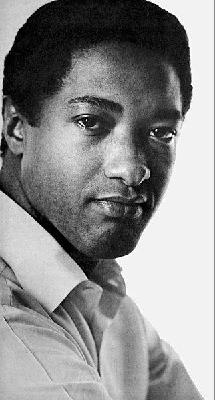
Samuel 'Sam' Cooke, a renowned R&B singer, tragically died on December 11, 1964, at the age of 33. His death occurred under controversial and mysterious circumstances at the Hacienda Motel in Los Angeles, California. On that fateful night, Cooke was shot by the motel's manager, Bertha Franklin. According to Franklin's account, Cooke had arrived at the motel with a young woman named Elisa Boyer.
Later, Cooke, wearing only a jacket and one shoe, allegedly forced his way into Franklin's office, demanding to know Boyer's whereabouts. Franklin claimed that Cooke became violent, prompting her to shoot him in self-defense. Cooke was shot three times, and his death was quickly ruled a justifiable homicide by the Los Angeles Police Department.
Despite the official ruling, many aspects of Cooke's death have been questioned over the years. Friends, family, and fans have expressed doubts about the circumstances leading to the shooting. Some believe that the events were not as straightforward as reported and that there might have been a cover-up. The discrepancies in the accounts of that night, along with Cooke's rising fame and influence, have fueled various conspiracy theories. These theories suggest that Cooke's death might have been orchestrated due to his growing success and his efforts to gain more control over his music career.
Elisa Boyer, the woman who was with Cooke that night, played a significant role in the events leading up to his death. Boyer claimed that Cooke had tried to assault her, leading her to flee the motel room and seek help. Her testimony, along with Franklin's, was crucial in the police's decision to rule the shooting as justifiable. However, Boyer's credibility has been questioned, as she was later arrested for prostitution, casting doubt on her version of events.
In the aftermath of Cooke's death, there were no significant arrests or further investigations that challenged the initial ruling. Bertha Franklin faced no charges and continued to maintain that she acted in self-defense. The case did not go to trial, and there were no major litigations or lawsuits filed by Cooke's family against Franklin or the motel. However, the lingering questions and the lack of a thorough investigation have left many feeling that justice was not fully served.
Cooke's death remains a topic of intrigue and speculation. His influence on music and his untimely demise have cemented his legacy as a legendary figure in the history of R&B and soul music. The unresolved nature of his death continues to spark discussions and investigations, keeping his memory and the mystery surrounding his final hours alive.