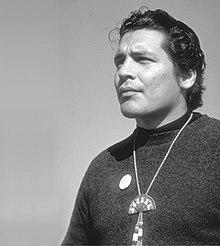
Richard Oakes, a prominent Native American activist, was tragically killed on September 20, 1972, in Sonoma County, California. Oakes, who was 30 years old at the time of his death, was a key figure in the Red Power movement and played a significant role in the occupation of Alcatraz Island in 1969. This protest aimed to reclaim the island for Native Americans and brought national attention to issues of Indigenous rights and sovereignty.
On the day of his death, Oakes was at a YMCA camp near Annapolis, Sonoma County. He was shot by Michael Oliver Morgan, the camp's caretaker. The circumstances surrounding the shooting were contentious. Morgan claimed that he acted in self-defense, alleging that Oakes had threatened him with a knife. However, this account was met with skepticism. Witnesses testified that Morgan had made racist remarks about Oakes and Native Americans in the days leading up to the incident. The physical evidence also did not fully support Morgan's version of events.
Morgan was arrested and charged with manslaughter. The trial, which took place in 1973, attracted limited media attention. Despite the prosecution's efforts to challenge Morgan's self-defense claim, he was ultimately acquitted of the charges. The trial's outcome and the lack of extensive media coverage contributed to a sense of injustice and frustration among Oakes' supporters and the broader Native American community.
Oakes' death marked a significant loss for the Red Power movement. His leadership and activism had inspired many, and his untimely death underscored the ongoing struggles faced by Indigenous peoples in their fight for rights and recognition. The legacy of Richard Oakes continues to be remembered and honored by those who advocate for Native American rights and social justice.