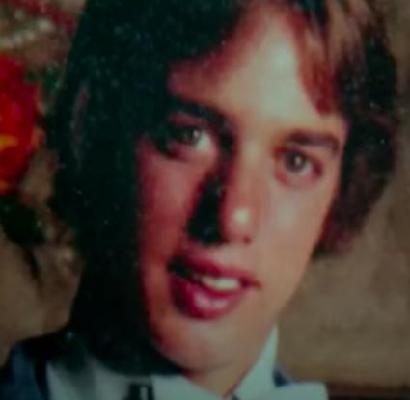
Richard Edward Stowers, a 19-year-old from Point Reyes Station, California, tragically lost his life on October 11, 1980. Stowers and his fiancée, Cynthia Moreland, were hiking in the Point Reyes National Seashore when they were fatally shot in the head. Their bodies were discovered nearly seven weeks later during a search operation. The couple's remains were found alongside those of two other victims, Diane O'Connell and Shauna May, who had also been shot to death. This gruesome discovery was part of a series of murders that terrorized the hiking trails of Marin County and Santa Cruz County during that period.
The perpetrator of these heinous crimes was identified as David Joseph Carpenter, infamously known as the "Trailside Killer." Carpenter's criminal activities spanned several decades, with a history of violent sex crimes dating back to the 1940s. At the time of the murders, Carpenter was on parole after serving a lengthy prison sentence. His modus operandi involved targeting hikers, often attacking them in remote areas. The murders reached their peak in October and November of 1980, with multiple victims found shot with the same .38-caliber pistol.
Carpenter's arrest in May 1981 marked the end of his reign of terror. He was apprehended largely due to the efforts of a surviving victim, Steven Haertle, who provided a composite sketch that led to Carpenter's identification. Carpenter was subsequently convicted in two separate trials for the murders, including those of Stowers and Moreland. His conviction brought some measure of closure to the families of the victims and the communities affected by his crimes.
The case of Richard Edward Stowers and the other victims of the Trailside Killer remains a chilling reminder of the dangers that once lurked in the serene hiking trails of Northern California. Carpenter's arrest and conviction highlighted the importance of vigilance and the critical role of survivors and witnesses in bringing perpetrators to justice.