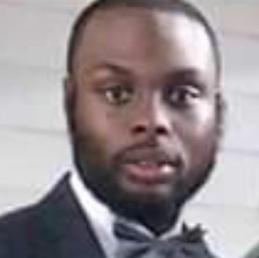
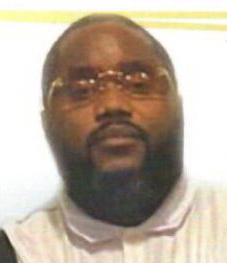
Larry Lee Hall was 24 years old, a Black man from Baltimore, and on the evening of Friday, November 18, 2016, his life was torn away on a stretch of northwest Baltimore that should have been just another ordinary block. Just after 7 p.m., the calm of the 5100 block of Chalgrove Avenue near Spaulding Avenue was shattered by gunfire. When police arrived, they found Larry suffering from a gunshot wound, the kind of injury that turns seconds into lifetimes for everyone who witnesses it.
In those first moments, there is only urgency, flashing lights, hurried footsteps, and a desperate hope that getting him to a hospital quickly might be enough.
Larry was rushed to the hospital in grave condition. The word “grave” is clinical, almost sterile, but what it really means is that the situation was terrifyingly fragile, balanced between life and loss. He was still someone’s son, someone’s friend, someone who had a history and routines and people who expected to see him again. Even in the best of circumstances, waiting for news in a situation like that is agony—time moves strangely, stretching and snapping, while families and loved ones cling to every update and every possibility. Despite medical efforts, Larry later died from his injuries, and the shooting became a homicide—an official label that can never fully capture the depth of what was taken.
After his death, homicide detectives stepped in, trying to reconstruct the moments that led to the shot that killed him. Somewhere in those streets, there were likely sounds, glimpses, passing cars, half-heard arguments, the kind of details that float around a neighborhood and then vanish unless someone holds onto them. Investigators worked to understand what happened and who was responsible, but public information about the case did not provide a motive or a clear account of how the shooting unfolded. The absence of those details leaves a heavy, unfinished feeling, as if the story has been interrupted mid-sentence and no one has yet been able to turn the page.
What is known is that in the coverage available, there were no announced arrests and no publicly identified suspects connected to Larry’s death. That kind of uncertainty can be its own form of torment—an unanswered question that follows a family home, sits at the kitchen table, and wakes them up at night. Police asked anyone with information to come forward and contact detectives or provide tips through Metro Crime Stoppers. It’s a plea that recognizes what so many communities quietly understand: that the truth is often not hidden in some distant place, but held in fragments by people who saw something, heard something, or know what happened but haven’t yet felt safe enough to speak.
Larry’s death stands as a reminder of how abruptly violence can steal a person from the world and leave behind a trail of sorrow, confusion, and longing. On Chalgrove Avenue, a young man’s future ended in an instant, and the people who loved him were left to carry the weight of that night forward—holding onto memories, searching for meaning, and hoping that someone, somewhere, will help bring clarity and accountability to what happened.