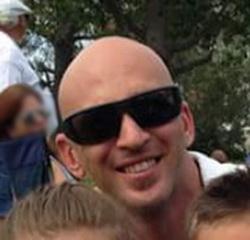
Scott George, a 23-year-old from Visalia, California, was tragically murdered on October 3, 1995. His death was a result of a fatal shooting by Robert James Acremant, a family friend. George's body was discovered in an abandoned mine shaft in Calaveras County, California. The circumstances leading to his death were deeply intertwined with his kind and trusting nature. George had been helping Acremant, who had recently moved to Visalia after losing his job, to meet new people.
On the night of his death, George was last seen with Acremant at a downtown Visalia restaurant. Acremant later confessed to killing George "in a fit of rage" after George had spent the evening lamenting a recent breakup with his fiancée.
The investigation into George's disappearance initially involved multiple police interrogations of Acremant. However, it wasn't until mid-November, after Acremant and his mother abruptly moved to Medford, Oregon, that the case took a significant turn. Acremant's criminal activities escalated when he murdered two women, Roxanne Ellis and Michelle Abdill, in Oregon during a botched robbery attempt. This led to his arrest in December 1995, following a failed robbery in Visalia and a subsequent tip-off from his mother.
Acremant's trial for the murder of Scott George was marked by numerous legal complications. He faced charges of first-degree murder and burglary with the use of a firearm. The case was prolonged due to Acremant's contentious relationship with his defense attorneys, which included threats against them. At one point, Acremant even represented himself in court. Ultimately, he was convicted and sentenced to death for George's murder in 2002. Acremant's father testified in favor of the death penalty, highlighting the profound impact of Acremant's actions on all those involved.
In addition to his conviction in California, Acremant was also sentenced to death in Oregon for the murders of Ellis and Abdill. His case drew significant media attention, particularly due to the hate crime aspect of the Oregon murders, as Ellis and Abdill were a lesbian couple. Acremant's motivations for these crimes were later revealed to be a combination of financial desperation and personal animosity. Despite his initial claims of homophobia, Acremant later admitted that the murders were primarily driven by his need for money to support his relationship with a Las Vegas stripper.
Acremant's death sentence was carried out in Oregon, where he died in prison. His case remains a stark reminder of the devastating consequences of violence and the complex interplay of personal relationships, mental health issues, and criminal behavior. The community of Visalia, along with George's family and friends, were left to grapple with the loss of a young man whose life was cut short by senseless violence.