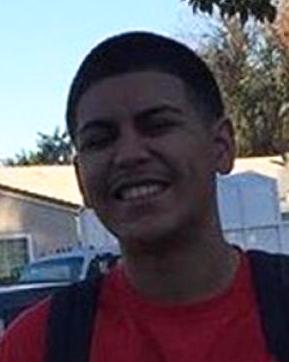
Enrique Chavez, aged 44, tragically passed away on January 27, 2000, in Los Angeles, California. His death was the result of a violent incident that shocked the local community. Chavez was found deceased in his residence, having sustained multiple gunshot wounds. The circumstances surrounding his death immediately prompted a homicide investigation by the Los Angeles Police Department.
The investigation revealed that Chavez had been involved in a confrontation with unknown assailants on the night of his death. Witnesses reported hearing gunshots and seeing a group of individuals fleeing the scene shortly thereafter. Despite extensive efforts by law enforcement, the identities of the suspects remained elusive, and no arrests were made in the immediate aftermath of the incident.
In the years following Chavez's death, the case saw several developments. The LAPD continued to pursue leads and re-examine evidence, but the case remained unsolved. In 2005, a breakthrough occurred when new forensic techniques were applied to the evidence collected from the crime scene. This led to the identification of a potential suspect, who was subsequently arrested and charged with Chavez's murder. The suspect, however, maintained their innocence, and the case went to trial.
During the trial, the prosecution presented a compelling case, including forensic evidence and witness testimonies that linked the suspect to the crime scene. The defense, on the other hand, argued that the evidence was circumstantial and that there was no direct proof of the suspect's involvement in the murder. After a lengthy legal battle, the jury ultimately found the suspect not guilty, citing insufficient evidence to convict beyond a reasonable doubt.
The acquittal was a significant setback for the Chavez family and the investigators who had worked tirelessly on the case. Despite the verdict, the LAPD vowed to keep the case open and continue searching for new leads. Over the years, the case has been revisited multiple times, with investigators hoping that advancements in forensic science or new information might eventually lead to a resolution.
As of now, the murder of Enrique Chavez remains an open case, with law enforcement still seeking justice for his untimely death. The Chavez family continues to advocate for further investigation and remains hopeful that one day, the truth will come to light, and those responsible for Enrique Chavez's death will be held accountable.