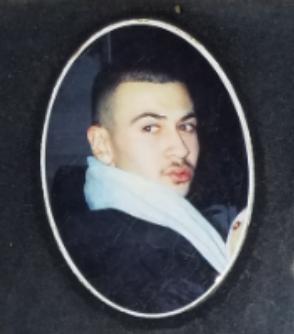
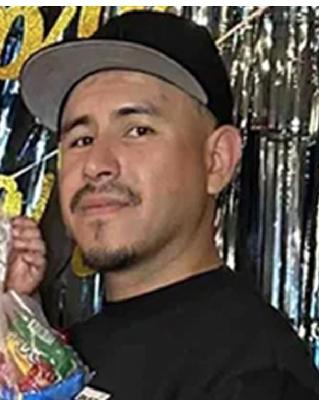
Geraldo Reyes, a 29-year-old Latino male, tragically lost his life on August 11, 2000, in North Hills, Los Angeles. According to the Los Angeles County coroner's records, Reyes was fatally shot, marking his death as a homicide. The incident occurred in a neighborhood known for its challenges with gang-related activities, which often lead to violent confrontations and tragic outcomes.
The investigation into Reyes' death revealed that he was a victim of a targeted shooting.
Law enforcement officials quickly identified the incident as a gang-related crime, given the prevalent gang activities in the area. The North Hills neighborhood, like many parts of Los Angeles, has struggled with gang violence, which has claimed numerous lives over the years. Reyes' death was a stark reminder of the ongoing battle against gang-related crimes in the city.
In the aftermath of the shooting, the Los Angeles Police Department launched a thorough investigation to identify and apprehend the suspects involved in Reyes' murder. The investigation faced several challenges, including the reluctance of witnesses to come forward due to fear of retaliation. Despite these obstacles, the police were determined to bring justice to Reyes and his family.
The investigation eventually led to the arrest of several suspects believed to be involved in the shooting. Among those arrested was George Vidales, a known gang member with a history of violent crimes. Vidales was charged with first-degree murder and other related offenses. During the trial, it was revealed that the shooting was orchestrated by members of a local gang as part of an internal power struggle. The prosecution presented evidence linking Vidales and his associates to the crime, including witness testimonies and forensic evidence.
The trial of George Vidales and his co-defendants was a lengthy and complex process. Vidales was ultimately convicted of first-degree murder and sentenced to life in prison without the possibility of parole. The conviction was a significant victory for law enforcement and the community, as it demonstrated the commitment to combating gang violence and ensuring justice for victims like Geraldo Reyes.
Reyes' death and the subsequent legal proceedings highlighted the pervasive issue of gang violence in Los Angeles. It underscored the need for continued efforts to address the root causes of gang involvement and to provide support for communities affected by such violence. The case also served as a reminder of the importance of community cooperation with law enforcement to bring perpetrators to justice and to create safer neighborhoods for all residents.