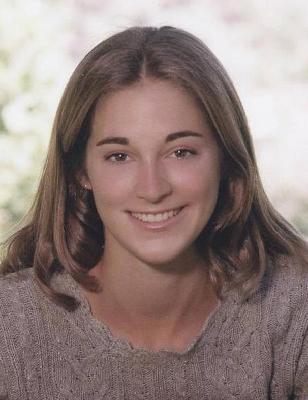
Laura Wilcox, a 19-year-old college student from Nevada City, California, tragically lost her life on January 10, 2001, in a mass shooting at the Nevada County Department of Behavioral Health. Laura was working as a temporary receptionist during her winter break from Haverford College when Scott Harlan Thorpe, a 40-year-old man with a history of mental illness, opened fire at the clinic. Thorpe, who was reportedly unhappy with the care he had been receiving, fatally shot Laura and another clinic employee, Pearlie Mae Feldman, before fleeing the scene. He then continued his rampage at a nearby restaurant, where he killed the manager, Mike Markle, and injured several others.
Thorpe's actions were driven by his severe mental health issues, including paranoia and agoraphobia. His family had struggled for years to get him consistent treatment, but their efforts were often thwarted by the limitations of existing mental health laws. This tragic event highlighted significant gaps in the mental health care system and led to the creation of "Laura's Law" in California. This law allows for court-ordered assisted outpatient treatment for individuals with severe mental illness who are deemed a danger to themselves or others.
Following the shootings, Thorpe was arrested at his home after a standoff with police. He was charged with multiple counts of murder and attempted murder. The case brought to light the challenges faced by families dealing with mentally ill relatives and the need for more effective intervention measures. Laura's parents, Nick and Amanda Wilcox, became strong advocates for mental health reform, pushing for the implementation of Laura's Law across California.
The legal proceedings against Thorpe revealed the extent of his untreated mental illness and the failures of the system to provide adequate care. Thorpe was eventually found incompetent to stand trial and was committed to a state mental hospital. The case underscored the importance of early intervention and the need for comprehensive mental health services to prevent such tragedies from occurring in the future.