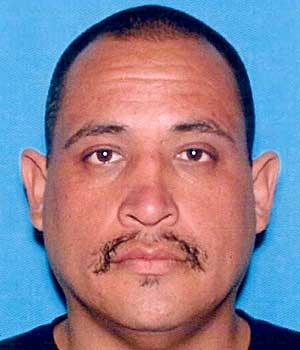
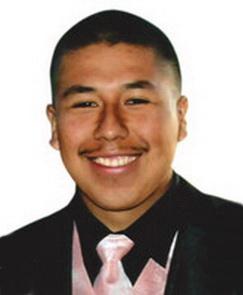
Marcos Eulloqui, a 20-year-old Latino male, tragically lost his life on March 6, 2002, in Commerce, California. According to the Los Angeles County coroner's records, Marcos was fatally shot, marking a somber day for his family and community. The details surrounding his death indicate that he was a victim of gun violence, a prevalent issue in many urban areas during that time.
The incident left a deep impact on those who knew him, as well as on the broader community that mourned the loss of a young life cut short.
In the aftermath of Marcos Eulloqui's death, law enforcement agencies launched an investigation to uncover the circumstances and identify those responsible for the shooting. The investigation revealed that Marcos was not the only victim of violence in the area, highlighting a pattern of criminal activity that plagued the community. Despite the efforts of the police, the case faced numerous challenges, including the reluctance of witnesses to come forward, which is often a significant hurdle in solving such crimes.
The legal proceedings related to Marcos Eulloqui's death involved multiple facets, including arrests and court cases. One notable case was Eulloqui v. Superior Court (People), which delved into various legal arguments and motions. This case, although not directly related to Marcos's death, sheds light on the broader legal context and the complexities involved in criminal investigations and prosecutions. The legal system's response to such incidents often involves intricate legal maneuvers and appeals, reflecting the challenges in achieving justice for victims of violent crimes.
Overall, the tragic death of Marcos Eulloqui underscores the persistent issue of gun violence and the difficulties faced by law enforcement and the legal system in addressing such crimes. His case remains a poignant reminder of the need for continued efforts to combat violence and ensure justice for victims and their families.