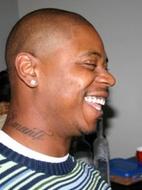
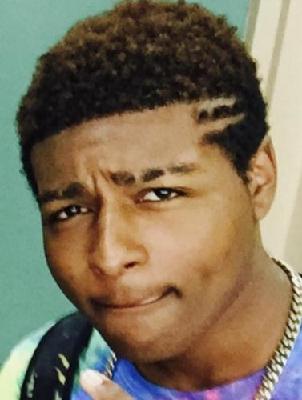
Ezzat Sadat Monroe, an 18-year-old Latino male, tragically lost his life on August 24, 2002, in Inglewood, California. According to the Los Angeles County coroner's records, Monroe was fatally shot on that fateful Saturday. The incident occurred in a neighborhood that had been experiencing a series of violent crimes, contributing to the heightened sense of insecurity among residents.
Monroe's death was a significant blow to his family and the community.
He was born on June 21, 1984, in Lancaster, Los Angeles, California, to Carlos Donterro Monroe. His untimely demise left a void that has been deeply felt by those who knew him. The circumstances surrounding his death were particularly harrowing, as he was shot while in a public space, highlighting the pervasive issue of gun violence in the area.
The investigation into Monroe's murder was launched immediately, with law enforcement agencies working tirelessly to uncover the details of the crime. Despite their efforts, the case has remained unsolved, with no arrests made or suspects publicly identified. The lack of progress in the investigation has been a source of frustration and sorrow for Monroe's family, who have been seeking justice for over two decades.
In the years following Monroe's death, there have been numerous calls for increased police presence and community engagement to address the root causes of violence in Inglewood. The case has also been a focal point for discussions on the need for comprehensive gun control measures and better support systems for at-risk youth. Monroe's family continues to advocate for these changes, hoping that their efforts will prevent other families from experiencing similar tragedies.
The legal aspects of Monroe's case have seen little movement, with no significant litigations or court proceedings reported. The community's hope for closure remains tied to the possibility of new evidence or witnesses coming forward. Monroe's story is a poignant reminder of the ongoing struggle against violence and the enduring quest for justice in many communities across the United States.