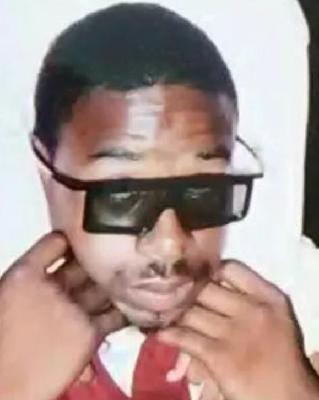
Nathaniel Ramirez, a 24-year-old resident of Los Angeles, California, tragically lost his life on September 5, 2004. The circumstances surrounding his death were both shocking and deeply saddening for the community. Nathaniel was found deceased in what was later determined to be a homicide. The investigation revealed that he had been fatally shot, a violent end that left his family and friends devastated.
The Los Angeles Police Department launched an extensive investigation into
Nathaniel's murder. Initial reports indicated that he was shot multiple times, and the crime scene suggested a targeted attack rather than a random act of violence. Detectives worked tirelessly to gather evidence, interview witnesses, and piece together the events leading up to the fatal shooting. Despite their efforts, the case proved to be challenging due to a lack of immediate leads and the complexities often associated with such violent crimes.
As the investigation progressed, several suspects were identified, but concrete evidence was hard to come by. The police conducted numerous interviews and followed up on various tips from the public. However, the case remained unsolved for a significant period, causing frustration and heartache for Nathaniel's loved ones. The community rallied together, holding vigils and urging anyone with information to come forward, hoping to bring justice for Nathaniel.
Years later, a breakthrough came when new forensic techniques and re-examination of the evidence led to the arrest of a suspect. The individual, who had a prior criminal record, was charged with Nathaniel's murder. The trial that followed was closely watched by the community and the media. During the proceedings, the prosecution presented compelling evidence linking the suspect to the crime, including forensic evidence and witness testimonies. The defense, however, argued that the evidence was circumstantial and insufficient to prove guilt beyond a reasonable doubt.
Ultimately, the jury found the suspect guilty of Nathaniel Ramirez's murder. The conviction brought a sense of closure to Nathaniel's family and friends, although the pain of his loss remained. The case highlighted the advancements in forensic science and the importance of community involvement in solving crimes. Nathaniel's memory continues to be honored by those who knew him, and his story serves as a reminder of the enduring impact of violence on individuals and communities.