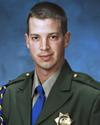
Earl Harwood Scott, a 36-year-old California Highway Patrol (CHP) officer, tragically lost his life on February 17, 2006, during a routine traffic stop on Highway 99 near Salida, California. The incident occurred at approximately 4:30 AM when Officer Scott pulled over a vehicle for speeding. As he approached the vehicle and obtained the registration card from the driver, he was shot in the head by the suspect. A passing motorist witnessed the officer falling to the ground and the suspect's car speeding away. The motorist turned around and called authorities, providing crucial information that helped identify the suspect's vehicle.
The suspect, Columbus Junior Allen II, was later arrested and charged with the murder of Officer Scott. Allen, who had an extensive criminal record including arrests for robbery and assaulting a police officer, initially claimed that his car had been stolen and that he was not involved in the crime. However, the evidence against him was overwhelming. In August 2010, Allen pleaded guilty to the murder and was sentenced to life in prison plus three years without the possibility of parole. As part of the plea agreement, he cannot appeal the conviction.
The investigation into Officer Scott's death was thorough and involved multiple law enforcement agencies. Authorities were initially unclear whether Allen acted alone or if others were involved, but ultimately, Allen was the only suspect charged in the case. The case drew significant attention due to the nature of the crime and the fact that Officer Scott came from a family with a long history of service in the CHP. His father and two uncles had retired as sergeants from the CHP, and one of his cousins was serving as a sergeant at the time of his death.
Officer Scott's death was a significant loss to the community and the CHP. He had served with the CHP for five years and was known for his dedication and commitment to his duty. The incident highlighted the dangers faced by law enforcement officers and led to calls for increased measures to protect officers on duty. The case remains a poignant reminder of the risks taken by those who serve and protect the public.