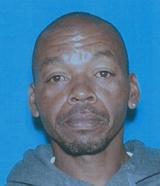
Pedro Pete Ceja, a 47-year-old Latino male, tragically lost his life on August 3, 2006, in Wilmington, Los Angeles, California. According to the Los Angeles County coroner's records, Ceja died from a gunshot wound. The incident occurred in a neighborhood known for its challenges with gang-related activities and violence. Ceja's death left a profound impact on his family and community, who remembered him as a hardworking individual passionate about helping others with home improvement projects.
Despite the severity of the crime, the investigation into Ceja's murder faced significant hurdles. Initial reports indicated that there was a lack of substantial leads and witnesses willing to come forward, which hampered the progress of the case. The police conducted several interviews and canvassed the area for information, but the investigation did not yield any immediate suspects or arrests. This lack of progress led to frustration and despair among Ceja's family members, who felt that justice was not being served.
Over the years, the case remained unsolved, with no arrests made or suspects identified. The family of Pedro Ceja continued to seek answers and justice for his untimely death. They expressed their dissatisfaction with the efforts of law enforcement, feeling that the investigation was not thorough enough. The community's reluctance to cooperate with the police further complicated the situation, as fear of retaliation often prevented potential witnesses from coming forward.
In the absence of new leads, the case of Pedro Pete Ceja's murder became one of the many unsolved homicides in Los Angeles. The lack of closure left a lasting void in the lives of his loved ones, who continued to mourn his loss and advocate for renewed attention to his case. The story of Pedro Pete Ceja serves as a poignant reminder of the challenges faced by families seeking justice for their loved ones in the face of unresolved violent crimes.