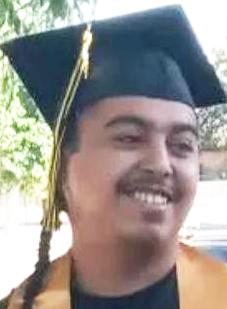
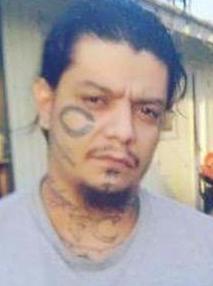
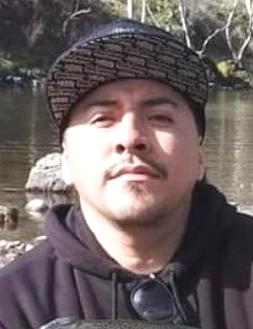
Mario Rodriguez, aged 32, tragically passed away on January 15, 2009, in Sanger, California. His death was the result of a violent incident that shocked the local community. On that fateful day, Rodriguez was found with multiple gunshot wounds, leading to an immediate investigation by local law enforcement. The circumstances surrounding his death pointed towards a possible homicide, prompting a thorough investigation to uncover the truth behind this tragic event.
In the aftermath of
Rodriguez's death, the Sanger Police Department launched an extensive investigation to identify any suspects or motives. The investigation revealed that Rodriguez had been involved in a confrontation earlier that day, which escalated into a deadly encounter. Witnesses reported hearing gunshots and seeing a vehicle speeding away from the scene. This crucial information helped the police piece together the events leading up to Rodriguez's death.
As the investigation progressed, several suspects were identified and questioned. Among them was a known associate of Rodriguez, who had a history of violent behavior and previous run-ins with the law. This individual became a prime suspect in the case, and the police gathered substantial evidence linking him to the crime. The suspect was eventually arrested and charged with the murder of Mario Rodriguez. The case went to trial, where the prosecution presented a compelling case based on forensic evidence, witness testimonies, and the suspect's prior criminal record.
The trial concluded with the suspect being found guilty of murder and sentenced to life in prison without the possibility of parole. The conviction brought a sense of closure to Rodriguez's family and the Sanger community, who had been deeply affected by his untimely death. The case also highlighted the importance of community cooperation and the tireless efforts of law enforcement in bringing justice to victims of violent crimes.
Throughout the investigation and trial, the Rodriguez family received support from various community organizations and advocacy groups. These groups provided emotional and legal assistance, helping the family navigate the complex legal process and cope with their loss. The case of Mario Rodriguez remains a poignant reminder of the impact of violent crime on individuals and communities, and the ongoing need for vigilance and justice in such cases.