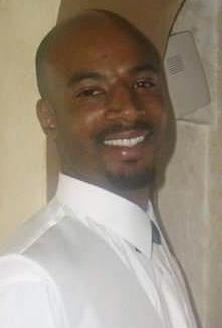
Christian Leonard Eaddy, a 26-year-old man from Los Angeles, California, died on May 16, 2013, after being fatally shot by Los Angeles Police Department (LAPD) officers. The incident occurred in the 13200 block of Corcoran Street in Pacoima. According to reports, LAPD officers responded to a call around 2:15 p.m. regarding a man, later identified as Eaddy, who was holding a knife and attempting to stab himself with a syringe. Upon arrival, officers found Eaddy holding two butcher knives.
Despite attempts to subdue him with a Taser, Eaddy approached the officers, leading them to shoot him in the torso. He was transported to a hospital, where he was pronounced dead at 6:26 p.m. The incident was investigated by the LAPD’s force investigation division.
Eaddy's death led to significant legal actions and public scrutiny. His family filed a civil lawsuit against the City of Los Angeles, alleging excessive force and wrongful death. The lawsuit claimed that Eaddy, who had a mental disability and the mental capacity of a 10-year-old, was shot within 40 seconds of the officers' arrival. Family members had called the police, reporting that Eaddy was stabbing himself and threatening suicide. The lawsuit highlighted that Eaddy had suffered a brain injury as a child and was known to become aggressive with police. During the trial, it was revealed that one officer had fired a Taser at Eaddy, and almost immediately after, another officer fired a fatal shot from nine feet away. The family contended that Eaddy was actually putting the knives in a shopping cart and was about to lower himself to the floor when he was shot.
In August 2016, a jury awarded Eaddy's family $2.2 million in a civil case, finding that the LAPD officer had used excessive force. The jury's decision was based on the argument that the officers had acted too quickly and that Eaddy did not pose an immediate threat at the time he was shot. Despite the jury's verdict, the LAPD maintained that the officers had acted within policy, and the District Attorney's office declined to prosecute the officers involved. The case brought attention to the use of force by police, especially in situations involving individuals with mental health issues, and sparked discussions about the need for better training and protocols for handling such incidents.