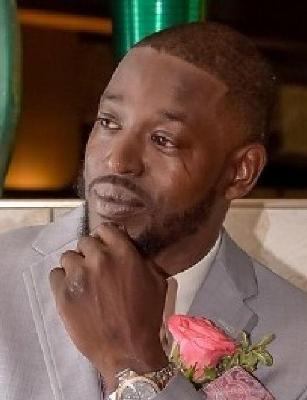
On a summer evening in Baltimore, Maryland, the life of Robert Jr. Gardner, a 28-year-old African American man, was tragically cut short. On June 28, 2017, Gardner was found shot and killed, another victim of the wave of violence that plagued the city that year. The incident occurred in a high-crime area, a grim testament to a particularly violent summer in Baltimore.
The year 2017 saw a significant increase in homicides in the city, with the vast majority involving firearms. Shootings were the predominant cause of death, and many of these, like Gardner's, took place outdoors in public spaces. This environment made it incredibly challenging for law enforcement to identify suspects or find willing witnesses. The surge in violence was attributed to a combination of factors, including retaliatory actions, gang-related conflicts, and shifts in the local drug trade.
In the aftermath of Robert Jr. Gardner's death, the investigation was hampered by the very conditions that contributed to the violence. A lack of trust between the community and law enforcement, coupled with police staffing shortages, created significant obstacles. Despite efforts to quell the violence through community initiatives and outreach programs, Gardner's case, like many others from that period, remained unsolved. No suspects have been publicly identified, and no arrests have been made in connection with his murder. His death is a somber statistic in a year marked by a devastating epidemic of violence that disproportionately affected certain neighborhoods grappling with poverty and limited opportunities.