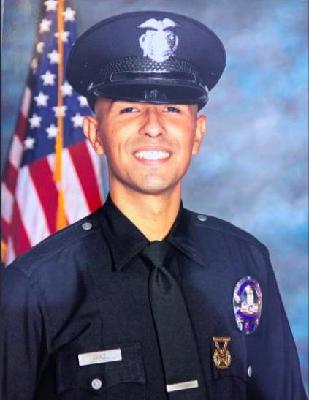
Gerardo Hernandez, a 39-year-old Transportation Security Administration (TSA) officer, tragically lost his life on November 1, 2013, during a shooting rampage at Los Angeles International Airport (LAX). On that fateful morning, Paul Anthony Ciancia, a 23-year-old man, entered Terminal 3 of LAX armed with a .223-caliber Smith & Wesson M&P-15 rifle and multiple rounds of ammunition. Ciancia approached a TSA checkpoint and opened fire, targeting Hernandez.
He shot Hernandez multiple times, including at point-blank range, causing fatal injuries. Despite the immediate response from law enforcement, Hernandez succumbed to his injuries within minutes, as the severity of his wounds made any rescue efforts futile.
The incident not only highlighted the vulnerabilities in airport security but also led to significant changes in emergency response protocols. The Los Angeles Fire Department, for instance, revised its approach to handling active shooter situations, incorporating battlefield tactics used by military medics to improve the chances of saving lives in such scenarios.
Following the shooting, Ciancia was apprehended after being shot by law enforcement officers. He was charged with multiple federal offenses, including the first-degree murder of Gerardo Hernandez. In 2016, Ciancia pleaded guilty to 11 federal charges related to the shooting spree, including the murder of Hernandez. As part of his plea agreement, Ciancia was sentenced to life in federal prison without the possibility of parole, plus an additional 60 years. This sentence ensured that he would never be able to harm others again.
The case drew widespread attention and led to discussions about the safety of TSA officers and the need for enhanced security measures at airports. The tragic death of Gerardo Hernandez served as a somber reminder of the risks faced by those working to ensure the safety of travelers and the importance of continued vigilance and preparedness in the face of potential threats.