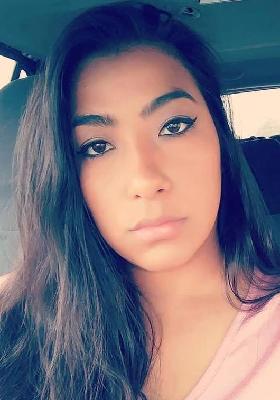
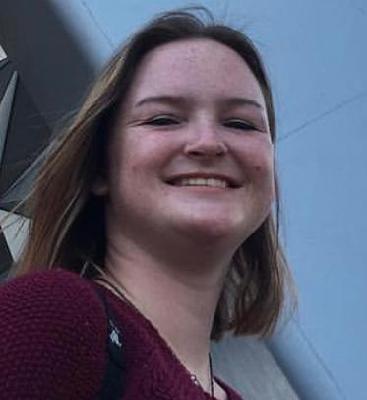
Ilona G. Flint, aged 22, tragically lost her life on December 24, 2013, in San Diego, California. The incident occurred in the early hours of Christmas Eve when Flint and her fiancé, Salvatore Belvedere, were shot in the parking lot of the Westfield Mission Valley mall. Flint, who worked at the mall, had been waiting for Belvedere to pick her up. When he didn't arrive, she called his phone multiple times without a response.
Flint and Belvedere's younger brother decided to wait for him in the parking lot. At around 1:15 a.m., Flint called 911 to report that she and Belvedere had been shot. Emergency responders found Flint dead inside a vehicle with a gunshot wound to the head, while Belvedere, who had been shot in the head and torso, was in critical condition and later succumbed to his injuries.
The investigation into the murders revealed that Gianni Belvedere, Salvatore's brother, was also a victim. His decomposing body was discovered in the trunk of a car in Riverside on January 17, 2014. An autopsy confirmed that he had died from a gunshot wound to the head. The case took a significant turn when Carlo Mercado was arrested in June 2014. Ballistic evidence linked one of the guns found in Mercado's possession to the murders, and his DNA was discovered on an air freshener can in the trunk of Gianni's car.
Mercado was charged with three counts of first-degree murder. Prosecutors initially believed the killings might have been the result of a love triangle, but further investigation suggested that the murders were random acts of violence, possibly stemming from a carjacking or road rage incident. Mercado did not know the victims personally. On January 12, 2017, Mercado pleaded guilty to the murders of Ilona Flint, Salvatore Belvedere, and Gianni Belvedere. He was sentenced to three consecutive life sentences without the possibility of parole.
The tragic deaths of Ilona Flint and the Belvedere brothers left a lasting impact on the San Diego community, highlighting the senseless nature of the violence that claimed their lives. The case, which was featured on the show "Homicide for the Holidays," brought attention to the devastating consequences of random acts of violence and the importance of thorough investigative work in bringing justice to the victims and their families.