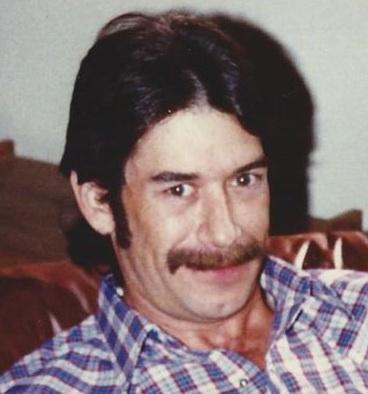
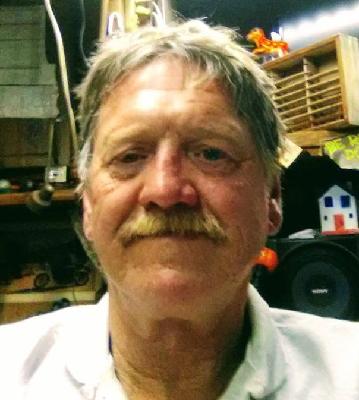
James Arnel, aged 47, tragically lost his life on July 1, 2014, in Shingletown, California. The incident occurred outside a residence on Pine Hollow Drive, where Arnel and his mother, Ida Arnel, had visited Michael Donald Ackley, a close friend of James. The three had been drinking together for several hours before the incident. After initially leaving Ackley's home, James and Ida returned shortly after to retrieve a missing boot from James's vehicle. Upon their return, Ackley, who had previously experienced thefts and assaults, mistook them for burglars. He saw flashlights approaching his property and, in a state of heightened fear and confusion, retrieved his AR-15 rifle and opened fire, believing he was defending his home.
Ackley fired ten rounds, one of which struck and killed James Arnel. Ida Arnel sustained minor injuries, including bruises and a wound to her wrist. Despite Ida and James identifying themselves, Ackley claimed he did not hear them and continued to fire. When deputies arrived, they found Ackley emotionally distraught, hugging the body of his friend. Ackley was arrested and charged with murder and attempted murder. His defense attorney argued that the shooting was a tragic accident, emphasizing Ackley's mental state and previous experiences with crime.
The legal proceedings following the incident were complex and prolonged. Ackley's mental competency was questioned multiple times, leading to evaluations by psychologists. In 2015 and 2018, he was found mentally competent to stand trial, but in 2021, he was deemed incompetent and committed for treatment. Despite a jury finding Ackley not guilty of second-degree murder in 2018, he faced additional charges, including attempted voluntary manslaughter, assault with a semiautomatic firearm, and attempted murder. Ackley spent nearly seven years in jail without a conviction on the murder charge, highlighting the challenges and delays in the legal process.
The case underscores the tragic consequences of misidentification and the impact of mental health issues on legal proceedings. Ackley's actions, driven by fear and confusion, resulted in the loss of his best friend and significant legal repercussions. The incident serves as a poignant reminder of the importance of mental health support and the complexities involved in cases of accidental shootings.