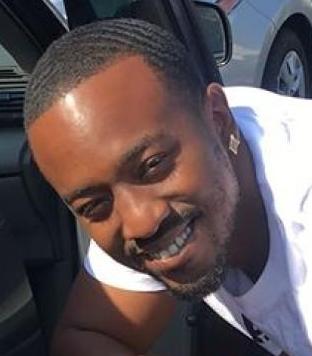
Juan Chavez, a 20-year-old resident of Los Angeles, California, tragically lost his life on August 15, 2014. The circumstances surrounding his death were both shocking and deeply saddening for the community. Chavez was found dead on a sidewalk in Los Angeles, and his death was ruled a homicide. The coroner's office identified the cause of death as multiple gunshot wounds, which indicated a violent end to his young life.
The investigation into Juan Chavez's murder was extensive and
involved multiple law enforcement agencies. Initial reports suggested that Chavez might have been involved in a gang-related incident, which led to his untimely death. The Los Angeles Police Department (LAPD) launched a thorough investigation to uncover the details and motives behind the murder. Detectives worked tirelessly, interviewing witnesses and gathering evidence from the crime scene to piece together the events that led to Chavez's death.
Several suspects were identified during the course of the investigation. The LAPD arrested two individuals in connection with the murder of Juan Chavez. These suspects were believed to be members of a local gang, and their involvement in the crime was supported by both eyewitness testimonies and forensic evidence. The arrests marked a significant breakthrough in the case, providing some hope for justice for Chavez's family and friends.
The legal proceedings that followed were complex and drawn out. The suspects faced multiple charges, including first-degree murder and gang-related offenses. The prosecution presented a strong case, highlighting the evidence that linked the suspects to the crime. This included ballistic reports, DNA evidence, and testimonies from key witnesses. The defense, on the other hand, attempted to challenge the credibility of the evidence and the reliability of the witnesses.
Throughout the trial, the courtroom was filled with emotional moments as Chavez's family and friends sought justice for their loved one. The case received considerable media attention, shedding light on the broader issues of gang violence and its impact on the community. Ultimately, the jury found the suspects guilty of the charges, and they were sentenced to lengthy prison terms. The verdict brought a sense of closure to Chavez's family, although the pain of losing him remained.
The murder of Juan Chavez highlighted the ongoing challenges faced by law enforcement in tackling gang violence in Los Angeles. It also underscored the importance of community involvement in solving such crimes. The case served as a reminder of the devastating consequences of gang-related activities and the need for continued efforts to prevent such tragedies in the future.