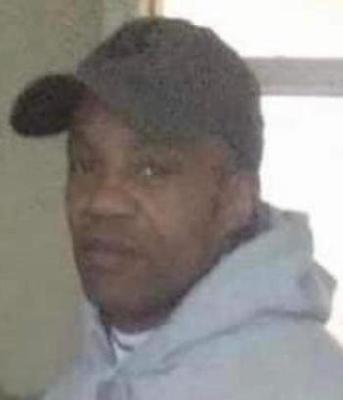
On a brisk November evening in 2017, Baltimore Police Department homicide detective Sean Suiter, a 43-year-old male, was investigating a triple homicide in the troubled neighborhood of Harlem Park. An 18-year veteran of the force, Suiter was known by colleagues as a beloved and honest officer. That evening, however, would be his last. Suiter was found in a vacant lot with a fatal gunshot wound to the head, his own service weapon discovered underneath his body.
He was rushed to a nearby hospital but succumbed to his injuries the following day, on November 16, 2017.
The immediate aftermath of Suiter's death sparked an intense manhunt for a suspected killer, with the neighborhood of Harlem Park placed on lockdown for six days. The initial narrative presented by the Baltimore Police Department was that Detective Suiter had been killed in a violent struggle with an unknown assailant. A vague description of a Black male wearing a black jacket with a white stripe was released to the public, and a substantial reward was offered for information leading to an arrest. However, no suspect was ever identified, and no arrests were made in connection with his death. The investigation was fraught with unusual circumstances, including Suiter's partner reportedly taking cover and calling 911 on his cell phone instead of using his police radio.
The case took a dramatic and controversial turn as more information came to light. It was revealed that Suiter was scheduled to testify before a federal grand jury the day after his death in a sweeping police corruption investigation known as the Gun Trace Task Force scandal. This revelation led to widespread speculation that Suiter had been killed to prevent his testimony. His death was officially ruled a homicide by the medical examiner, a conclusion his family has steadfastly maintained, believing he was the victim of a targeted killing.
Despite the initial belief that Suiter was murdered, an Independent Review Board, and later the Maryland State Police, came to a different and startling conclusion: Detective Sean Suiter had taken his own life. Their reports suggested that Suiter, under duress about his impending testimony and potential connections to the rampant corruption within the Gun Trace Task Force, staged his suicide to appear as a line-of-duty death. This theory posited that by doing so, his family would be eligible for his line-of-duty benefits. Evidence cited to support the suicide theory included the close-range nature of the gunshot, the location of his service weapon, and the unlikelihood of a suspect overpowering a veteran detective in such a short amount of time without leaving a trace. The case remains a subject of intense debate and conflicting narratives, with the official cause of death still a point of contention for his family and many in the community. No suspects were ever charged in connection with his death.