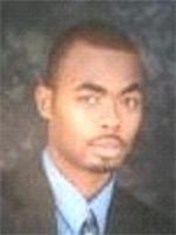
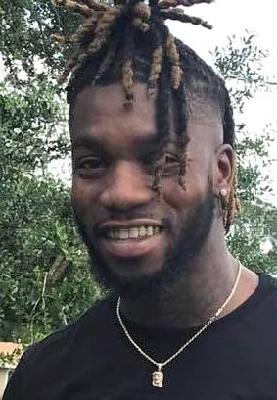
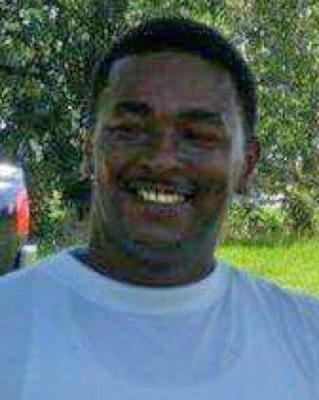
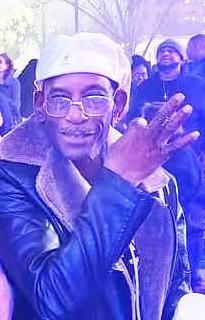
Terrance Grevious was 38 years old, a Black man from Baton Rouge, Louisiana, and his death left a quiet but unmistakable rupture in the place that shaped him. Baton Rouge is a city where people tend to know their corners of the world by heart, where names carry history, and where the absence of one person can echo through family kitchens, neighborhood streets, and phone contact lists that no one wants to scroll past.
When Terrance died, what remained was the heavy stillness that follows news no one is ready to receive.
There is a particular kind of grief that comes when details are scarce, when the story of how someone died is not fully known or not fully shared. It can feel like standing at the edge of a room with the door half-closed, hearing pieces of a conversation but not enough to make sense of it. For the people who loved Terrance, the reality of his death would still be absolute, even if the circumstances were unclear to the wider public. The loss itself doesn’t need a headline to be real; it settles in the everyday moments, the times when someone reaches for their phone to call and remembers, or when a familiar place suddenly feels unfamiliar because he isn’t there.
In the wake of a death, the mind often tries to reconstruct the last ordinary hours, searching for meaning in routine. A person’s life is never only the final moment; it’s the accumulated weight of birthdays and arguments and laughter, the habits that made him himself, the small preferences and inside jokes that only a few people truly knew. Terrance’s passing would have pulled those memories forward, turning them into something both precious and painful. People would speak his name differently—more carefully, more deliberately—because saying it is one of the few ways to insist that he mattered, that he was here, that he is not reduced to a single event.
With only the information provided, there is no verified public record here to confirm whether anyone was arrested, identified as a suspect, or charged in connection with his death, and no reliable account to describe what led to it. That uncertainty can be its own kind of ache. It can leave friends and family holding unanswered questions alongside their sorrow, trying to grieve while also trying to understand. In those spaces, people often lean on one another, on faith or community, on the steadiness of shared remembrance, because that is what is available when certainty is not.
Still, even without the surrounding details, the center of the story remains Terrance himself: a man from Baton Rouge whose life ended, and whose absence would be felt by those who knew him best. There are losses that change the shape of days, and deaths that divide time into before and after. For anyone who loved Terrance Grevious, the world would keep moving, but not in the same way, because a life is not measured by how much the public knows about it. It is measured by the impact it leaves behind, and by the quiet determination of the people who refuse to let his name fade.