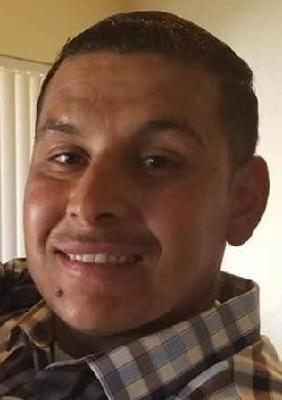
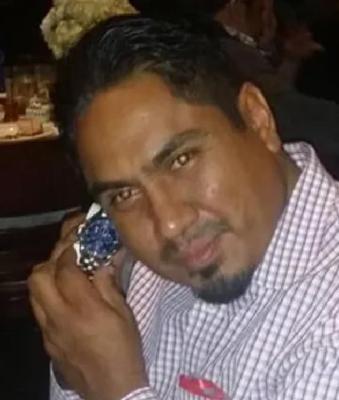
Samuel Isaac “Sam” Ferguson was driving home from work on the afternoon of August 17, 2018, when his trip along the westbound 91 Freeway ended in a sudden burst of gunfire. Ferguson, a 27-year-old Black man who lived in Cerritos, was alone in his white Nissan Sentra near the Artesia Boulevard exit in the Gardena area when someone in another vehicle opened fire at approximately 4:25 to 4:30 p.m.
His car was struck by multiple bullets, and responding California Highway Patrol officers found him critically wounded behind the wheel.
Ferguson was rushed by ambulance to UC Irvine Medical Center in Orange, but doctors were unable to save him. He was pronounced dead at approximately 5:22 p.m. Investigators later reported that he suffered a gunshot wound that passed through his chest, causing catastrophic injuries to his heart, aorta and lungs. Nothing publicly disclosed by investigators indicated that an argument, road-rage encounter or other confrontation had occurred before the shooting, leaving the attack initially appearing both sudden and unexplained.
At the time of his death, Ferguson was a student at Cerritos College studying speech pathology and worked with children with developmental disabilities. Relatives said his interest in the field was deeply personal because he had helped care for a brother who had autism. Ferguson had attended Mayfair High School in Bellflower and later graduated from Navarro College in Texas, where he played basketball. He was the youngest of nine siblings and was living with his oldest brother in Cerritos. Family members described him as outgoing, playful and well-liked, and said they knew of no enemies who would have wanted to harm him. He had reportedly just left the home of a disabled child he worked with before beginning the drive home that ended with the shooting.
In the immediate aftermath, authorities had no publicly identified suspect, no description of the other vehicle and no established motive. That changed as investigators examined a series of shootings that followed in South Los Angeles and Inglewood. On August 20, three men standing outside an apartment complex on West Beach Avenue in Inglewood were struck by gunfire in another drive-by attack. Alhmond Sherrick Ugene Davis was killed and the two other men survived. On August 23, another driver was shot while stopped at a traffic light in Inglewood and survived. Investigators came to believe the shootings were connected.
Later on August 23, Inglewood police arrested Daniel Martinez, then 30, in connection with Davis's killing and the other Inglewood shootings. Police said detectives had evidence connecting Martinez to those attacks, although the details of that evidence were not publicly disclosed at the time. Prosecutors initially filed murder, attempted-murder and firearms charges arising from the Inglewood incidents. Ferguson's killing was subsequently added to the prosecution, making Martinez the accused shooter in both fatal attacks.
As the investigation developed, prosecutors alleged that Ferguson's killing was not a random act of ordinary freeway violence but part of a racially motivated series of shootings. Authorities alleged Martinez intentionally targeted victims because they were Black. The series attributed to him included Ferguson's killing on August 17, an attack on a family traveling in a vehicle on August 19, the August 20 shooting that killed Davis and wounded two others, and the August 23 shooting of another motorist. Prosecutors said the victims in the series were Black and charged the case with hate-crime-related special circumstances.
By August 2019, Martinez had been ordered to stand trial. He faced two counts of murder, four counts of attempted murder, four counts of shooting from a motor vehicle, three counts of shooting at an occupied motor vehicle and one count of possession of an assault weapon. The case also carried special-circumstance allegations that the killings were intentional and committed because of race, that a firearm was discharged from a motor vehicle, and that multiple murders had been committed. A gang allegation that had earlier been attached to the case was dismissed during the preliminary-hearing proceedings.
Martinez pleaded not guilty to the felony charges and was ordered held without bail while awaiting further proceedings. Prosecutors said that, if convicted as charged, he could face life imprisonment without the possibility of parole or, depending on the prosecution's charging decision, capital punishment. The detailed public reporting located on Ferguson's case documents Martinez's arrest, the expanded murder and attempted-murder prosecution, the hate-crime allegations and the order requiring him to stand trial, but does not establish a subsequent final verdict or sentence.