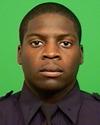
In the winter of 1981, the life of James Weber, a 42-year-old junior high music teacher and actor with the Light Opera of Manhattan, was tragically cut short. On the evening of December 5th, hours after a performance, Weber was found murdered in Central Park. His death was the first in a string of senseless acts of violence that would terrorize New York City for a month.
The initial investigation into Weber's death was hampered by a lack of immediate leads.
However, the case took a dramatic turn with the arrest of a 21-year-old male prostitute named David Bullock on January 14, 1982, in connection with the disappearance of his roommate. During questioning, Bullock not only confessed to the murder of his roommate but also admitted to a series of other killings, including that of James Weber.
Bullock's confession revealed a chilling account of Weber's final moments. He claimed to have been in Central Park to shoot birds when he encountered Weber and killed him at random. After shooting him, Bullock stole his money and identification, which delayed the immediate identification of the victim. This act was just the beginning of a month-long killing spree during which Bullock murdered five other individuals. His victims came from various walks of life, their only connection being the random, brutal violence that ended their lives.
During his court proceedings, David Bullock displayed a shocking lack of remorse for his actions. He reportedly smiled and chuckled as he recounted the details of his crimes, telling the judge that murder 'makes me happy' and that it was 'fun.' He even chillingly claimed to have been motivated by 'the Christmas Spirit.' Psychiatric evaluations found no evidence of mental disease. On October 26, 1982, Bullock pleaded guilty to six counts of second-degree murder. He was subsequently sentenced to six consecutive terms of 25 years to life in prison, amounting to a total of 150 years, ensuring he would never again be a threat to society. The judge, in delivering the sentence, remarked that the punishment was insufficient for the gravity of his crimes.