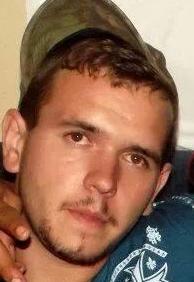
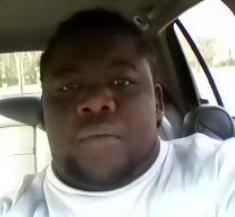
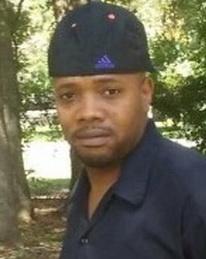
In the racially charged atmosphere of February 1968, a young African American man named Henry Ezekial Smith, a student at South Carolina State College, found his life cut tragically short. At eighteen years old, he was known to his family as an intelligent and artistic individual who had developed a keen interest in the civil rights movement that was sweeping the nation.
His convictions led him to participate in protests against the persistent segregation in Orangeburg, South Carolina, a struggle that would ultimately cost him and two other young men their lives in an event that became known as the Orangeburg Massacre.
The tensions in the city had been escalating for days. Students from the local historically Black colleges were demanding the desegregation of community establishments, focusing their efforts on the All-Star Bowling Lane, which remained a 'Whites Only' business despite federal laws. Protests and sit-ins were met with resistance, and the governor had ordered National Guardsmen and highway patrol officers to the city. On the night of February 8th, students gathered on the campus of South Carolina State, lighting a bonfire as a symbol of their protest. When law enforcement moved in to extinguish the flames, the situation rapidly deteriorated. An officer was struck by a thrown object, leading another to fire a warning shot into the air. In the moments that followed, at least nine other state highway patrolmen and a city police officer opened fire on the crowd of unarmed students.
Chaos erupted as students fled for their lives. The gunfire, which lasted for several seconds, was indiscriminate. Henry Smith was struck by multiple bullets. He, along with 18-year-old Samuel Hammond Jr., another college student, and 17-year-old Delano Middleton, a high school student who was on campus visiting his mother, died from their wounds at the local segregated hospital. Nearly thirty other students were also wounded, many of them shot in their backs, sides, or the soles of their feet as they tried to escape the volley of bullets.
In the aftermath of the tragedy, the narrative was quickly controlled by state officials who initially blamed 'black power advocates.' An FBI investigation was requested, but the state did not conduct its own formal inquiry for many years. Eventually, nine of the highway patrolmen were brought to trial on federal charges of using excessive force and depriving the students of their civil rights. Despite the evidence that the students were unarmed and fleeing, an all-white jury acquitted all nine officers in less than two hours. The only person to face conviction and prison time in connection with the Orangeburg protests was Cleveland Sellers, a civil rights activist, who was found guilty of a riot charge stemming from an earlier demonstration at the bowling alley. He served seven months in prison before being granted a full pardon 25 years later. It took decades for the state of South Carolina to officially acknowledge its role in the tragedy, with governors eventually offering apologies for the events of that fatal night.