On a quiet Sunday in late September 2014, 20-year-old Adrian Javon Holmes, a Black African American man from the small unincorporated community of Pineland in Jasper County, South Carolina, was shot and killed, his life ending almost as abruptly as adulthood had begun. In a place better known for pine woods, country roads, and a scattered rural population than for headlines, the news of his death traveled quickly among family, friends, and neighbors who had grown up alongside him in the
Lowcountry’s close-knit circles.
Publicly available records offer only the barest outline of what happened. Memorial listings state that Adrian was “lost to gun violence” on September 21, 2014, in Pineland, confirming that a firearm took his life but giving no further official description of the shooting itself—no detailed account of where he had been that day, who was with him, or how the confrontation began or ended. The violence is recorded in a few short lines: a date, a town name, and the acknowledgment that a young man’s life ended by gunfire in a rural South Carolina community. In the absence of fuller reporting, those sparse entries become the entire public record of the moment everything changed for his family.
The days that followed were filled not with answers but with the rituals of mourning. Obituaries in the Savannah Morning News and related funeral notices announced that Adrian had passed away on Sunday, September 21, and that his loved ones would gather to remember him later that week. A wake was scheduled for the evening of Friday, September 26, at Bostick Funeral Home in nearby Ridgeland, giving friends and relatives a chance to come together, share memories, and offer condolences. The funeral was held the next day, Saturday, September 27, at Bethel Baptist Church in Pineland, a familiar local sanctuary where grief, prayer, and remembrance converged.
After the service, Adrian was laid to rest in the cemetery of a local Baptist church—identified in burial records as Mount Mariah Baptist Church Cemetery—linking his story permanently to the red earth and churchyards of Jasper County. There, among other generations of local families, his grave became a focal point for private grief, while online memorials allowed people to light virtual candles and leave brief messages in his honor. Those small gestures, scattered across the internet and across time, paint a picture of a young man whose loss was felt deeply, even if the details of his life and personality remain mostly guarded within the memories of those who knew him best.
What is striking in the record is not only the violence of his death but also the silence that surrounds its aftermath. Beyond the obituary and memorial pages, there is no widely accessible coverage that names a suspect, describes a prosecution, or reports on a trial. References to his killing in general gun-violence databases point back to the same brief notices and to now-hard-to-access local news items, but they do not document any arrests or convictions in connection with his case. Taken together, the available online sources suggest that, outside of official files held by law enforcement, Adrian’s death never received sustained public attention, and there is no clear indication in the public record that anyone has been publicly identified, charged, or brought to justice for the shooting that ended his life.
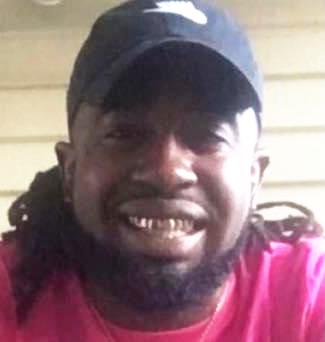
A decade later, what remains visible to the outside world is a patchwork: a date, a town, a funeral notice, a burial listing, and a single photograph of a young man looking into the camera, his expression calm and open. For his family and community, those fragments likely stand alongside richer, more intimate memories of who Adrian was—the routines of daily life, the jokes, the hopes, the plans he might have spoken about on ordinary days before that September Sunday. But in the public eye, his story is preserved mostly as a brief entry in the long ledger of American gun deaths, a reminder of a life cut short in a quiet corner of South Carolina, with crucial questions about why it happened and who was responsible still unanswered in the sources that the wider world can see.