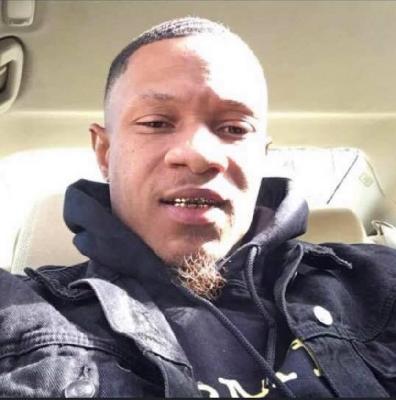
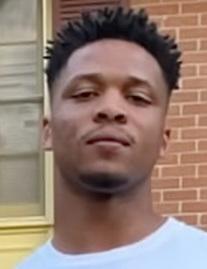
Branden Boyd was a 22-year-old man from Bowman, South Carolina, who was shot and killed on the evening of October 10, 2016, during what was supposed to be a routine Craigslist cell phone sale at a truck stop in Saint Matthews. The meeting place was the Wilco Hess travel plaza off Interstate 26 on Burke Road in Calhoun County, a busy stop for motorists and truckers where people often passed through without a second thought.
That Monday evening, however, the gas station lot became the scene of a sudden and deadly burst of violence that ended his life and rattled the small communities of Bowman and Saint Matthews.
According to the county coroner, Boyd died after being shot in the head; he was pronounced dead at 6:36 p.m. in the parking lot of the travel plaza. Witnesses and investigators later described how the ordinary backdrop of fuel pumps and parked rigs was interrupted by an argument that escalated so quickly that there was little time for anyone nearby to react. People who had stopped only to get gas or food watched the aftermath as law enforcement and emergency crews converged on the scene, the flashing lights cutting through the early evening and marking the end of what had begun as a hopeful attempt to make a simple sale.
In the days that followed, investigators pieced together the events that led to the shooting. Sheriff Thomas Summers explained that two brothers from Cayce, Chavasse Michael Smith, 19, and Hasani Dion Smith, 17, had contacted Boyd through Craigslist about a cell phone he was selling. What had started as an online exchange moved into the real world when they agreed to meet at the truck stop off I-26, a public place that many would assume offered at least some measure of safety. But once everyone arrived, the supposed sale quickly soured. Authorities later said an argument broke out in the parking lot, and that dispute over the phone and the money ended in gunfire, leaving Boyd mortally wounded where he stood.
The investigation also revealed that the Smith brothers were not alone. A third man, 20-year-old Darion Washington, was alleged to have been involved in the events surrounding the shooting. News accounts reported that the group had gone to the meeting under the false pretense of buying the phone, turning what Boyd believed was a straightforward transaction into an attempted robbery that escalated into violence. The idea that the promise of easy money from an online sale could be twisted into a trap shocked many residents, particularly those familiar with using classified sites to buy or sell everyday items.
Law enforcement moved quickly once the outlines of the story came into focus. Sheriff Summers announced that Chavasse and Hasani Smith were both taken into custody and charged with murder, attempted armed robbery, and possession of a firearm during the commission of a violent crime, while Washington was charged with accessory after the fact to a felony. Reports emphasized that the brothers were being held behind bars as the case moved into the court system, and that the charges reflected authorities’ belief that the shooting was the culmination of a planned crime rather than a spontaneous misunderstanding. Despite these arrests and charges, publicly available information focuses largely on the early stages of the case—on the killing itself and the swift filing of charges—leaving the later outcomes of trials or plea agreements less clearly documented in the record that remains accessible today.
For those who knew Boyd, the official details only hint at the personal loss: a young man who left home expecting to complete a simple sale did not return, his life cut short in a matter of moments in a parking lot off the interstate. The story of his death has lived on as a stark warning about the hidden risks of meeting strangers for online transactions, especially when large sums of money or valuable electronics are involved. In Calhoun County, the case stands as a reminder that even in familiar places—a local truck stop, a well-traveled exit off the highway—violence can erupt without warning, forever altering the lives of the families and communities left behind.