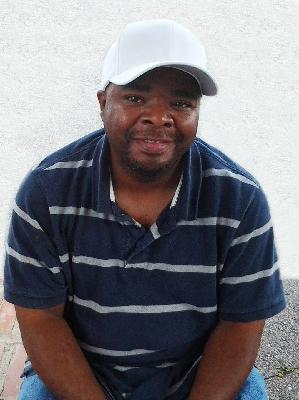
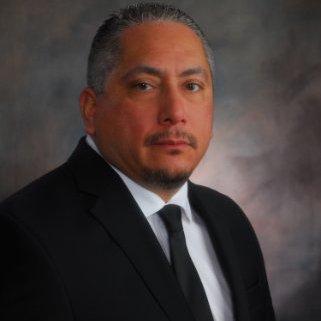
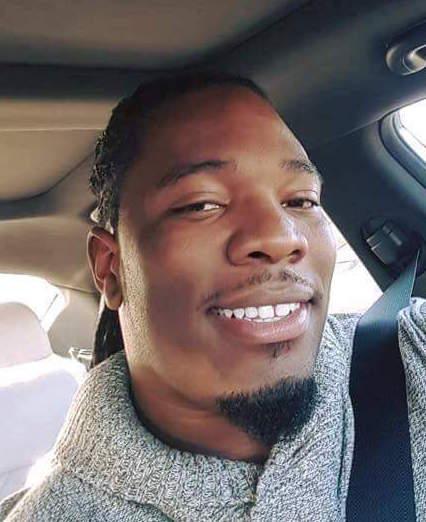
Hall Edward Eskew was a 53-year-old white male from Greer, South Carolina, whose life and violent death pulled a private, influential family into the spotlight and exposed a darker world of addiction, desperation, and betrayal. A son of Atlanta who grew up in Greenville from the early 1970s, he was remembered in his obituary as a generous, humorous man who loved his Labrador retrievers, enjoyed hunting, fishing, and boating, and had worked as both a chef and a construction contractor.
He had served in the U.S. Army Reserves and stayed active in politics, volunteering on campaigns. His siblings and friends later described a man who could cook for a crowd, joke easily, and dote on his dogs, not someone they ever imagined would become the center of a homicide case.
In late December 2018, Eskew was reported missing out of Spartanburg County. Before the day was over, a train crew traveling through Taylors, in Greenville County, spotted a body lying near the tracks in the Chick Springs Road and Michelle Drive area and called authorities. Deputies arrived around 7:30 p.m. and found Eskew’s body close to the rails. The Greenville County coroner identified him and determined that he had been shot in the head, ruling his death a homicide. Gun violence databases later recorded that he was “lost to gun violence” on December 26, 2018, in Taylors, underscoring that what had happened along those tracks was not an accident but an execution-style killing.
The investigation moved quickly. Detectives retraced Eskew’s final movements and looked at the people around him. Within days, they focused on two men: 30-year-old Seuvarrggio Senwuez Rector and 32-year-old Harrison Christopher Gregory. According to local news reports and police statements, investigators concluded that the victim knew at least one of them and that the killing was the result of a planned plot rather than a random encounter. Both men were arrested and charged with murder, kidnapping, criminal conspiracy, and possession of a weapon during a violent crime, and they were held in the Greenville County Detention Center without bond.
As the case developed, a broader picture of the night of the killing began to emerge. Reporting connected to later court proceedings described Eskew as “The Coinman,” a nickname given by a witness, Abralee Robinson Pierce. In testimony summarized in local coverage, Pierce said she had met him only weeks before his death, when he would come by and trade collectible coins for methamphetamine. The same coverage, and social media posts linking to trial reports, suggested that on the night he was killed, a group of people targeted him not only for whatever cash he carried but also for his collectibles: coins, presidential memorabilia, and other items tied to his family’s political connections. One summary of courtroom testimony emphasized that the attack was “far from random,” portraying Eskew as ambushed and robbed of more than just money.
The web of suspects widened beyond the original two men. In January 2019, Pierce herself was arrested in Spartanburg County and charged as an accessory after the fact to a felony, a charge later reported in connection with the Eskew case as accessory after the fact to murder. Her arrest records list her as being taken into custody with no bond for that offense, reinforcing that investigators believed someone close to the events had helped cover up or respond to the killing after it occurred. While public records about her eventual resolution are sparse, her name appears again in later accounts as a key witness, describing the drug-driven relationship she had with Eskew and the lead-up to the fatal night.
Behind the scenes, the case moved slowly through the courts. Early on, Rector and Gregory remained jailed on the original charges while prosecutors built a more detailed theory of what had happened. Over time, another man, Octabio Leonardo Wright, emerged publicly in connection with the case, showing up in court and corrections records as a co-defendant. Coverage of a later trial noted that Rector chose to act as his own attorney and was tried alongside Wright; that second trial came only after an earlier week-long proceeding had ended in a mistrial when a juror walked out during deliberations, forcing prosecutors and the victim’s family to endure the process again.
By September 2023, nearly five years after Eskew’s body was found by the railroad tracks, a Greenville County jury delivered the closest thing to closure the case would see. Reporting based on court records stated that two men—identified as Seuvarrggio Rector, then 34, and Octabio Wright, then 29—were convicted of murder and kidnapping in the 2018 killing of a Greer man from an influential Greenville family, a clear reference to Eskew and his politically prominent relatives. Rector received a prison term described as stretching to roughly forty-plus years, while Wright also faced a long sentence, effectively ensuring both men would spend decades behind bars. Their convictions marked a dramatic shift from the early days of the investigation, when the motive was publicly “unclear,” to a courtroom narrative of a calculated scheme that exploited Eskew’s addictions, his trust, and his valuables before ending his life beside the tracks.
For Eskew’s family, including his brother Tucker, a former communications aide to President George W. Bush and later a political strategist, the verdicts came only after years of grief and public scrutiny. In the immediate aftermath of the arrests, Tucker had issued a statement thanking the sheriff’s office for “tirelessly pursuing the truth” and everyone who contributed to the arrests and the family’s search for answers. Those answers, as they finally emerged in court, painted a tragic portrait: a man who had once been known for his humor, his dogs, and his generosity drawn into a perilous circle of drugs and opportunists, then lured, robbed, and killed. The sentences handed down to his killers could not restore the life he had led, but they did affirm that what happened in Taylors on that winter night was a crime for which people would be held accountable.