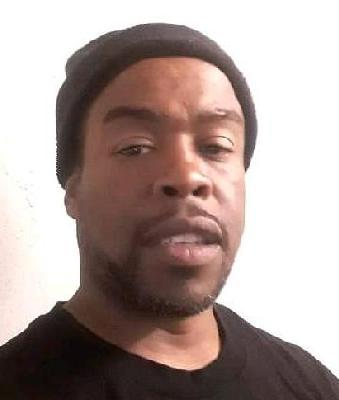
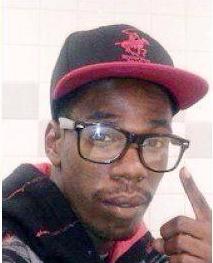
Jermane Clark was 38, a Black man from St. Louis, Missouri, and he died on July 11, 2020. The facts that remain are painfully simple, the kind that sit heavy in the chest because they are so final: a name, an age, a place, a date. In those few details is the outline of a whole person’s life—years of mornings and late nights, routines and hopes, phone calls and laughter, and plans that suddenly had no chance to unfold.
St.
Louis is not just a dot on a map in this story; it’s the backdrop of a life that mattered to someone every single day. It’s a city of neighborhoods and familiar corners, of people who recognize each other’s faces, of families and friends who keep going even when grief makes the world feel unreal. When a death happens, it doesn’t land in isolation. It echoes outward—into living rooms and group texts, into the silence after someone says the words out loud for the first time, into the moments when people reach for their phone and then remember there’s no one to call anymore.
July 11, 2020 isn’t just a date on paper. It marks the dividing line between before and after. Before, Jermane was here—taking up space in the world in his own specific way, known to those who loved him not as a headline or a statistic but as a person with a voice, a history, and a presence that made certain places feel more like home. After, the world kept moving, but the people who carried him in their hearts had to learn how to breathe around the hole his absence left behind.
When a life ends like this, the unanswered parts can be as heavy as the loss itself. Without more details, the mind circles the same questions, not because grief enjoys pain, but because grief seeks meaning. People replay memories and wonder what the last hours were like, what he might have been thinking, what he might have said if he’d known it was the last time. They imagine alternate outcomes—small changes, a different turn taken, one more chance to say something that now can never be said.
And still, even with only these sparse facts, it’s possible to hold onto what matters most: Jermane Clark was real. He was someone’s family, someone’s friend, someone’s presence in the world. He lived a life that cannot be reduced to the way it ended. The date of his death may be fixed, but the impact of his life is carried forward in the people who remember him—through stories told quietly, through the way grief softens into remembrance, through the love that remains long after the shock fades.
There is a particular kind of sorrow in knowing so little, because it forces the heart to focus on the part that cannot be argued with: he is gone. Yet within that sorrow is also a kind of insistence—an insistence that his name be spoken, that his life not be forgotten, that his memory be treated with dignity. Jermane Clark’s story did not begin on July 11, 2020, and it should not end there in the minds of those who care. In the simplest, most human way, remembering him is a refusal to let the world move on too quickly from a life that mattered.