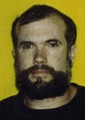
On a summer day in Alaska, July 3, 1997, 51-year-old John Louis Blanda was one of six people aboard a sightseeing airplane that tragically went down. The group was on a VFR sightseeing tour operated by Haines Airways, designed as an excursion for cruise ship passengers. The flight departed from Haines, Alaska, and after flying over several glaciers, was proceeding north up the Taiya Inlet for a landing in Skagway. The terrain in the inlet consists of steep mountains that descend directly into the water, leaving few options for an emergency landing. At approximately 5:30 PM, about one and a half miles from the Skagway airport, the Piper PA-32 airplane experienced a sudden loss of engine power at an altitude of about 1,200 feet.
Faced with an impossible situation, the pilot determined they lacked the altitude to glide to the airport and was forced to ditch the plane in the frigid waters of the Taiya Inlet, approximately 100 feet from the steep western shoreline. All six occupants, the pilot and five passengers, managed to evacuate the aircraft before it sank into the 39-degree water. However, reports indicate that the passengers had not been adequately briefed on the location of life vests, which were stored in seat-back pouches obscured by slip-covers. A nearby tour helicopter witnessed the plane in the water and its occupants threw life vests down to the survivors, while a second helicopter arrived within ten minutes to pull people from the water.
Despite the swift response from rescue crews, the outcome was devastating. The pilot and one passenger were rescued from the icy inlet. Tragically, two other passengers were found deceased in the water. John Blanda and another passenger, 60-year-old Joseph J. Leblanc, Jr., were never found. An extensive search was conducted, but the two men vanished into the depths of the harbor. The subsequent investigation by the National Transportation Safety Board determined the probable cause of the engine failure was the jamming of the left magneto impulse coupling. The case remains a sorrowful chapter in Alaska's aviation history, an incident where a scenic tour ended in heartbreak, leaving the families of John Blanda and Joseph Leblanc, Jr. without answers and with the unending pain of their loss.
Last Seen: Jul 3, 1997