Summary based on the NamUs case record (MP93891)
In the summer of 1974, a 42-year-old man named Robert Theodore Thompson was last seen in Spokane, Washington. The date was July 14th, and what happened to Robert after that day remains a mystery. He was a man of nomadic habits, living a transient life that took him across several states. His livelihood was tied to the seasons and the open road, as he followed fairs and worked as a circus hand and a cook in various restaurants.
This lifestyle meant he often traveled between his family's home in Corvallis, Oregon, and the states of Washington, Montana, and Minnesota. Robert was a white male with brown hair and blue eyes, standing between five feet six and five feet eight inches tall, with a weight of around 140 to 150 pounds. He had a distinct physical characteristic: one of his fingers was partially amputated.
Robert's disappearance was marked by a sudden silence. For a man who moved around frequently, a lapse in communication might not have been immediately alarming, but as time passed, the lack of contact became a source of deep concern for his family. He was simply never seen or heard from again. The Spokane Police Department was the investigating agency, but with few leads to follow, the case grew cold. The circumstances of his disappearance were unclear, with little information to suggest what might have happened to him after he was last seen in Spokane. His case joined the countless files of missing persons, leaving his family with unanswered questions and the lingering pain of not knowing his fate.
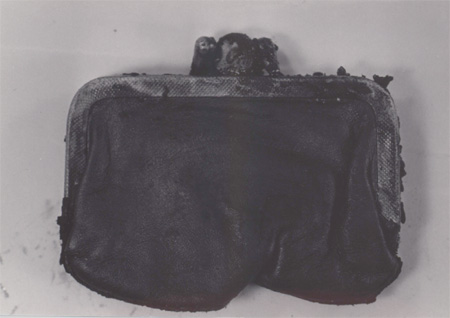
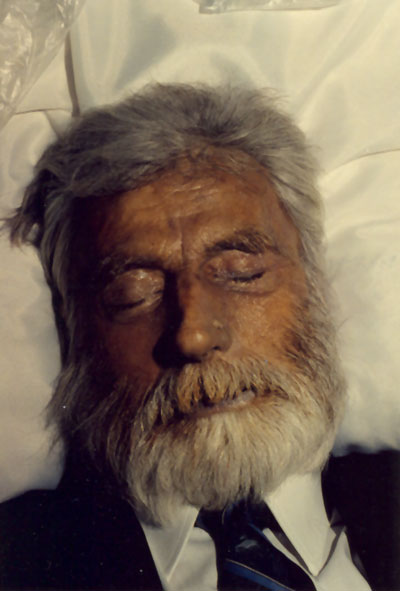
Years after Robert Thompson vanished, a discovery in Spokane offered a potential, albeit grim, lead in the case. On June 27, 1978, the badly charred remains of an unidentified man were found in the abandoned Cadillac Apartments, a place known to be frequented by transients. This discovery was made just blocks from where Robert was last seen. Investigators noted several striking similarities between the unidentified man and the missing carnival worker. The deceased man was approximately 5'6" tall and, most significantly, had a healed amputation on his left index finger. Despite these connections, the severe condition of the remains, damaged by fire, made identification impossible at the time, as there were no fingerprints or dental records to compare. In 2022, a family member of Robert's, having made the same connection, initiated the process to have the unidentified man's body exhumed for DNA comparison. As of early 2025, the results of this crucial test have not been publicly confirmed, and Robert Thompson's case remains an unsolved disappearance, a story of a traveling worker who vanished, with the hope for answers resting on a decades-old discovery and the power of modern forensic science.Last Seen: Jul 14, 1974