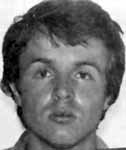
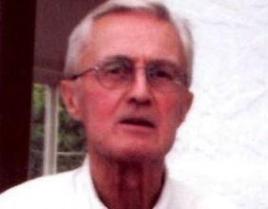
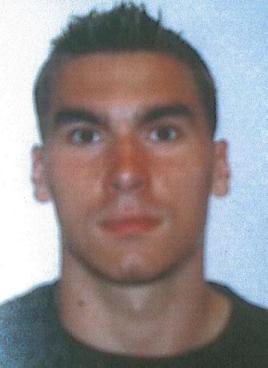
In the winter of 2001, a 48-year-old man named Gordon Harold Fowlie vanished from Vancouver, British Columbia, leaving behind a prolonged and sorrowful mystery for those who knew him. His last confirmed sighting was on the first of December of that year. Gordon was a man of considerable height, standing at 6'1" and weighing around 170 pounds, with light brown hair and blue eyes. Those who knew him would have been familiar with the cysts on his cheek and a slight limp when he walked, a result of one leg being shorter than the other. His disappearance was not immediately reported, as it was some time before those around him realized he was truly missing, a detail that adds a layer of quiet tragedy to his story.
The circumstances surrounding Gordon's disappearance are shrouded in uncertainty, with very few public details available about his last known movements or what he might have been wearing.
The available information does indicate that he was grappling with mental health issues at the time he went missing. This personal struggle forms a significant and heart-rending part of the narrative of his case. The lack of specific details regarding his last days makes the task of piecing together a timeline for law enforcement and his family incredibly challenging, a common and painful reality in many missing persons' investigations.
The official record of Gordon Harold Fowlie's disappearance is a collection of sparse and poignant facts. The Vancouver Police Department includes his case in their public list of cold cases, a somber reminder that he has never been found. The investigation into his disappearance has been hampered by the limited information available. His family has expressed the devastating belief that he may have taken his own life. This belief, born from a place of intimate knowledge and deep sorrow, offers a potential, albeit heartbreaking, explanation for his sudden absence. The overview of Gordon's case is one of a vulnerable individual who disappeared without a trace, leaving behind a family to grapple with the ambiguity of their loss. The passage of time has not brought answers, and his case remains a quiet testament to the enduring pain of not knowing.Last Seen: Dec 1, 2001