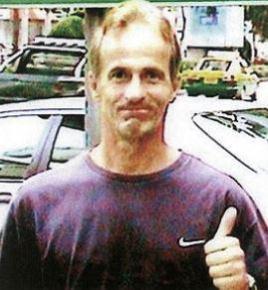
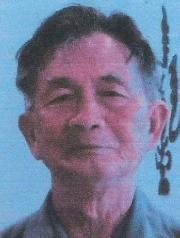
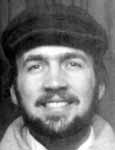
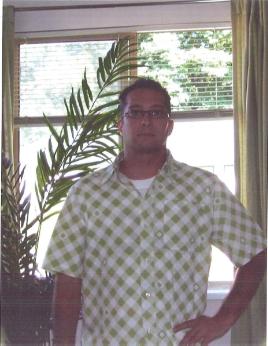
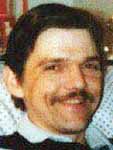
Thomas Parkhouse, a 58-year-old man, was reported missing from Vancouver, British Columbia, on February 14, 1989. His disappearance became part of a collection of unresolved missing-person cases dating back to the late 1980s, a period when investigators had fewer technological resources available to locate missing individuals than they do today. The circumstances surrounding Parkhouse's final known whereabouts remain largely undocumented in publicly accessible records. Although Vancouver is identified as the city associated with his disappearance, available information does not establish the specific neighborhood, address, or location where he was last seen. There are also no publicly verified details describing what he was doing immediately before he disappeared, whether he had made plans to travel, or whether anyone witnessed his departure.
These unanswered questions have left significant gaps in the documented account of what happened to him on that February day.
Following his disappearance, Parkhouse's case was recorded in missing-person databases, including the Doe Network, where it was assigned case number 72DMBC. A historical listing of British Columbia missing-person cases published in August 2009 included his case number and the February 14, 1989, disappearance date, demonstrating that his case had received public attention through missing-person advocacy resources at least two decades after he vanished. However, publicly available accounts provide little information about the original investigation, including when authorities were first notified, who reported him missing, or what investigative steps were undertaken. No verified descriptions of recovered personal belongings, abandoned vehicles, witness statements, or other physical evidence have been identified in the accessible case information. Without those details, it is difficult to reconstruct Parkhouse's movements or determine whether his disappearance involved an accident, an intentional departure, criminal activity, or circumstances that have never been established.
As the years passed, the absence of publicly documented developments left many of the original questions unanswered. Available records do not identify any confirmed sightings of Parkhouse following his disappearance, nor do they provide information about possible destinations, individuals he may have contacted, or circumstances that could explain his prolonged absence. No publicly verified account establishing what ultimately happened to him was located. The lack of detailed public information should not be interpreted as evidence that investigators failed to pursue leads, since investigative records and information provided privately to authorities are not necessarily available to the public. Nevertheless, the limited documentation makes the case particularly challenging for anyone attempting to piece together the events surrounding his disappearance. More than three decades after he was reported missing, the available historical information continues to center on his identity, age, the Vancouver location, and the date associated with his disappearance.
Thomas Parkhouse's case remains a reminder of the difficulties associated with historical missing-person investigations, especially when few details about the initial circumstances have been preserved in publicly accessible accounts. Advances in investigative technology, including improved information sharing between agencies, computerized missing-person records, and forensic identification methods, have created opportunities to revisit older disappearances. Whether any of these techniques have been applied specifically to Parkhouse's case has not been publicly established. Anyone possessing reliable information about his whereabouts, movements around February 14, 1989, or subsequent contact with him is encouraged to contact the appropriate law enforcement authorities. At the center of this case is a man whose documented disappearance dates back to Vancouver in 1989 and whose ultimate fate has not been established in the available public record. The enduring uncertainty surrounding Thomas Parkhouse highlights the importance of preserving historical case information, bringing renewed attention to long-standing disappearances, and ensuring that even the oldest missing-person cases are not forgotten.Last Seen: Feb 14, 1989